Peterborough Driving Test Centre Pass Rate 2024-25
Peterborough driving test centre in Cambridgeshire recorded a 50.2% pass rate in 2024-25, marginally above the national average of 48.7%. The headline figure conceals a notable internal gap: male candidates passed at 52.2% while female candidates passed at 47.7%, a difference of 4.5 percentage points that is more than double the national gender gap of 1.9 percentage points.
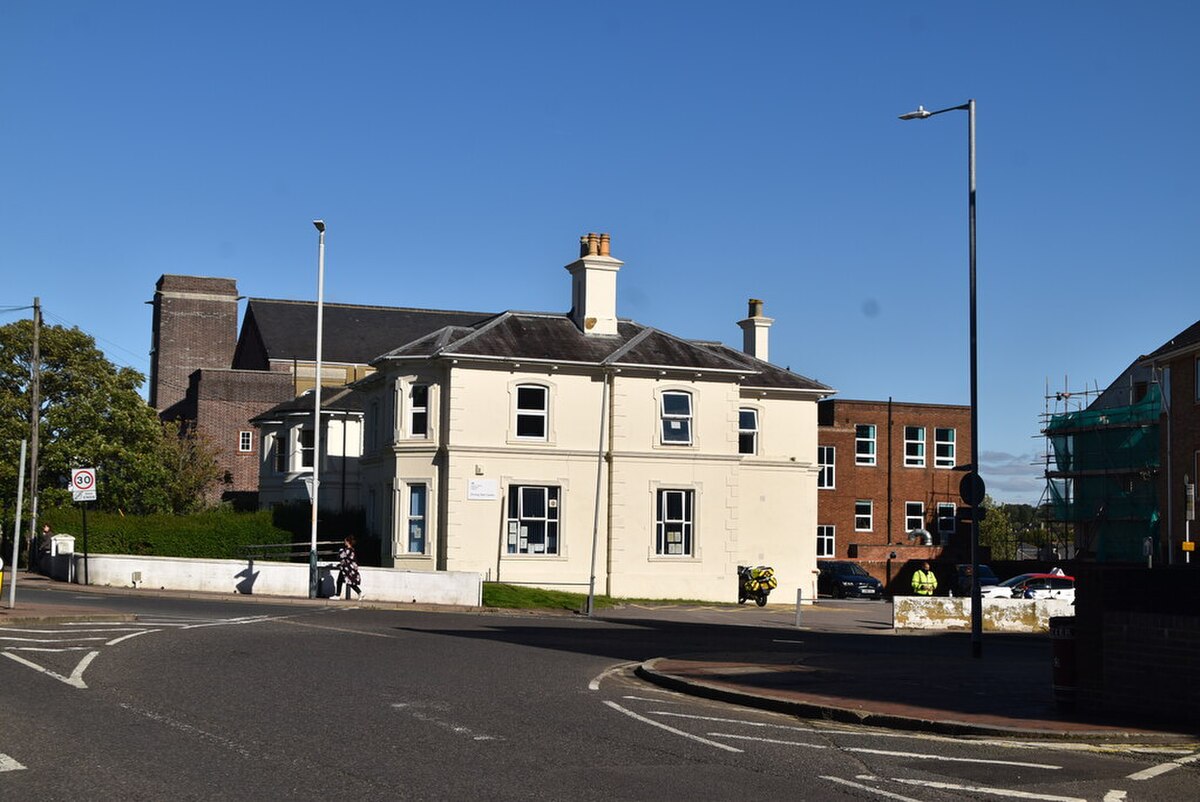
- Pass rate 2024-25
- 50.2%on 11,021 tests at Peterborough, Cambridgeshire
- Above UK average
- 1.5ppnational average 48.7%, 2024-25
- First-time pass rate
- 49.6%on 5,587 first-attempt candidates
- Gender gap
- 4.5ppmen 52.2% vs women 47.7%, 2024-25
The 2024-25 result in context
A pass rate of 50.2% at Peterborough means that just over half of all candidates pass on the day. The margin above the national average of 48.7% is small: 1.5 percentage points. On 11,021 tests, that margin represents roughly 165 additional passes compared with what the national rate would predict at the same test volume. The overall figure is a broadly average outcome for the centre.
The first-time pass rate of 49.6% is 0.6 percentage points below the overall figure of 50.2%. This is the expected pattern nationally: first-time candidates tend to pass at a slightly lower rate than retakers, who have had prior exposure to the local road environment and the examiner assessment points. The gap of 0.6 percentage points at Peterborough is narrower than at many centres, indicating that retakers do not gain a substantially greater advantage from their additional experience here.
How Peterborough compares to nearby centres
Peterborough sits in a group of East Midlands and eastern England centres that are clustered close to the national average. Cambridge (Brookmount Court) and Northampton both recorded pass rates within 0.3 percentage points of Peterborough in 2024-25. Further out, Kettering and Kings Lynn both came in at 46.0%, more than 4 percentage points below Peterborough, and Leicester (Wigston) returned 43.9%, the lowest in this comparison group.
The tight clustering of Cambridge, Northampton and Peterborough within 0.3 percentage points of each other is notable given the different road environments of those three cities. Cambridge has a distinctive urban centre with cycle infrastructure and narrow streets; Northampton has a denser road network with significant retail traffic; Peterborough has one of the most roundabout-heavy layouts of any English city. Similar pass rates across such different road environments underlines that a centre's pass rate reflects its entire candidate cohort, not just road difficulty.
Pass rate history at Peterborough
Peterborough's pass rate history shows more variation than the 2024-25 figure alone suggests. The centre reached its pre-2024-25 high of 52.6% in 2016-17, fell to a recent low of 45.1% in 2018-19, recovered to 51.6% in 2021-22, then ran below the national average in 2022-23 and 2023-24 before returning to 50.2% in 2024-25. The centre has oscillated around the national average over the decade, spending time on both sides.
The 2018-19 and 2019-20 figures of 45.1% and 45.7% are the lowest in the recent published record for Peterborough, both below the national average in those years. The recovery to 51.6% in 2021-22 is consistent with the national post-pandemic pattern. The dip to 47.2% in 2023-24 followed by recovery to 50.2% in 2024-25 reflects the normal year-to-year variation at a centre of this size, where a 1-2 percentage point move can occur within the confidence interval of the estimate.
Test volumes at Peterborough have broadly recovered to pre-pandemic levels and edged slightly higher, with 11,021 tests in 2024-25 representing one of the larger recent figures in the published record. At this volume, the 95% confidence interval on the 50.2% headline is approximately plus or minus 0.9 percentage points, meaning the true underlying pass rate is reliably in the 49-51% range.
Gender breakdown at Peterborough
Male candidates passed at 52.2% at Peterborough in 2024-25, based on 6,081 tests. Female candidates passed at 47.7% on 4,940 tests, a gap of 4.5 percentage points. This is more than double the national gender gap of 1.9 percentage points. A larger-than-average gender gap at a centre close to the national average overall is a pattern seen at other DVSA sites, though the reasons for wider gaps at specific centres are not formally documented in the published statistics.
For female candidates preparing for a test at Peterborough, the 47.7% baseline means that just under half of women taking the practical test here pass on the day. The test format and pass criteria are identical regardless of gender. The 4.5-percentage-point gap may reflect differences in how candidates at Peterborough self-select test dates relative to readiness, or local patterns in lesson volume and instructor advice, rather than anything specific about the test routes themselves.
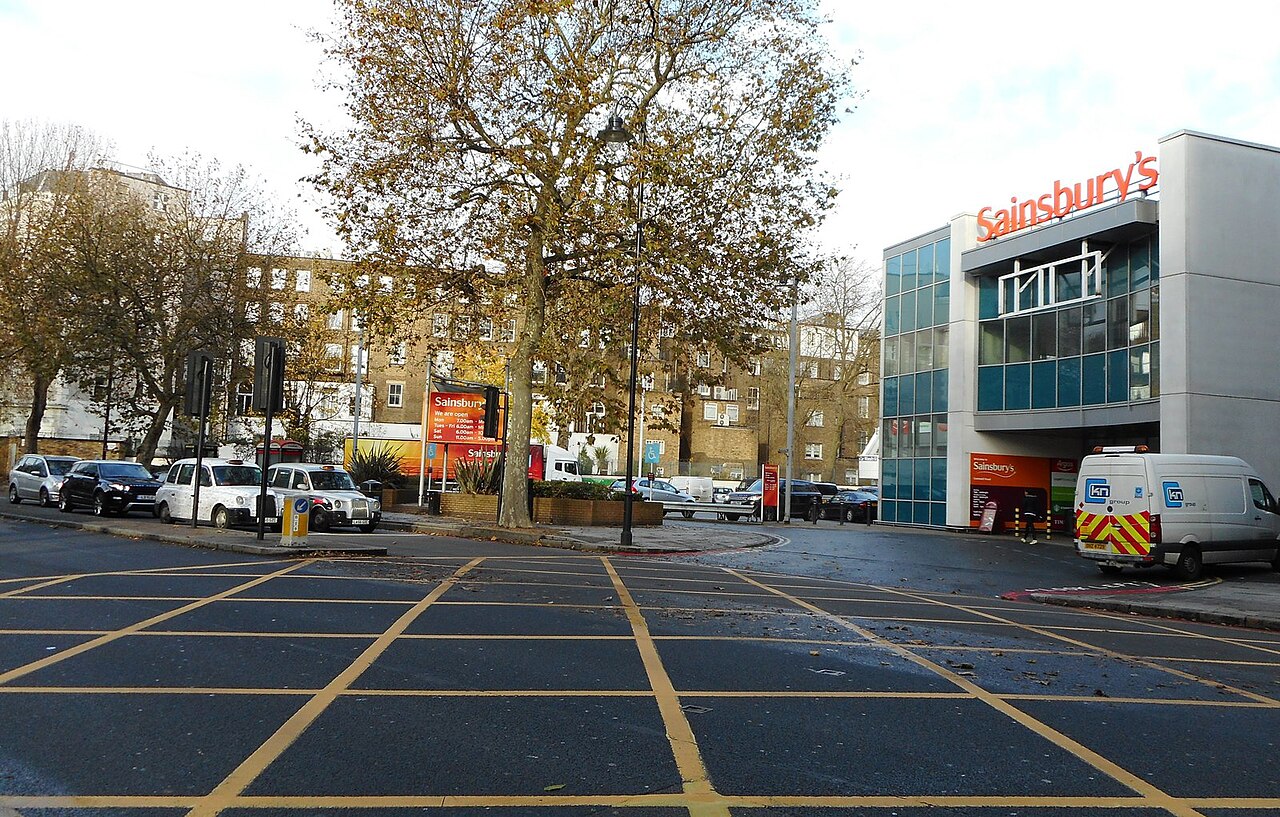
The road environment around Peterborough
Peterborough is notable for its high density of roundabouts: the city was substantially rebuilt and expanded from the 1960s onwards with a road layout that favours roundabout junctions over traffic lights on many arterial routes. The following factors are the most relevant to candidates preparing for a practical test at the Peterborough centre.
- Roundabout-heavy road network: Peterborough's road layout includes a high concentration of roundabouts on the ring road, radial routes and many residential access roads. Correct lane selection on approach, accurate signalling and giving way to circulating traffic are assessed repeatedly on most test routes in the area.
- Ring road and dual carriageway sections: the A47 and associated ring road sections around Peterborough can feature on test routes. Safe joining and exiting, correct lane use at higher speeds and maintaining appropriate following distances are assessed on dual carriageway segments.
- New development areas: Peterborough has seen significant housing development in its outer areas. Roads in new residential zones may include road markings and junctions that are not yet mapped on older sat-nav systems, which can affect independent driving sections. Candidates should practise using road signs rather than relying exclusively on sat-nav.
- City centre traffic complexity: Peterborough city centre includes pedestrian-heavy areas, bus routes and delivery vehicle activity. Correct observation at pedestrian crossings, safe positioning around buses and patience in slow-moving urban traffic are skills tested in the city-centre sections of some routes.
- Mixed residential streets: the surrounding suburban areas include streets with parked vehicles on both sides. Continuous observation for pedestrians, correct passing positions and mirror use throughout are assessed on residential sections of the route.
Preparing for your test at Peterborough
Peterborough's pass rate is close to the national average, meaning that roughly one in two candidates passes on the day. The DVSA applies the same pass criteria at every centre, so the preparation advice that applies nationally applies here. Given the specific characteristics of the Peterborough road environment, the following steps address the most relevant skills for candidates at this centre.
- 01Master roundabout technique in the local area
Peterborough has more roundabouts per route than most English cities. Ask your instructor to work through the main roundabouts on Peterborough test routes systematically, covering approach lane selection, signal timing and correct exit procedure at each one. The goal is to execute the full sequence without verbal prompting before your test date.
- 02Cover the ring road and dual carriageway routes
If your test route includes the A47 or ring road sections, practise joining and leaving at speed, correct lane use and safe following distances. Ask your instructor whether these roads feature on common Peterborough test routes and include them in your pre-test lessons.
- 03Practise independent driving with road signs
In Peterborough's newer development areas, sat-nav routing may be incomplete or unfamiliar. Practise following road signs as a backup during independent driving sections, so you are not entirely dependent on the sat-nav device if it shows an unexpected route.
- 04Work through city-centre driving in lessons
The pedestrian crossing and bus-stop environments in Peterborough city centre require patient, observant driving. Ask your instructor to include city-centre lessons in traffic so you are confident in slow-moving conditions, at pedestrian crossings and when buses are pulling in or out ahead of you.
- 05Complete a full mock test on the local roads
A mock test with your instructor on the roads around Peterborough is the most effective pre-test preparation. Aim for at least one full mock in the fortnight before your test date, covering the complete 40-minute format and including an independent driving section. A detailed debrief afterwards helps you identify and address the specific faults you need to work on before test day.
Booking and what to expect on test day
The DVSA practical test at Peterborough follows the standard format used at every test centre in Great Britain. You begin with an eyesight check reading a number plate at a set distance. The examiner then asks one vehicle safety question (the show me, tell me section), after which you drive for approximately 40 minutes. Around 20 minutes of that time is independent driving using a sat-nav or road signs without instruction from the examiner. One standard manoeuvre is included: bay parking (forward or reverse), parallel parking, or pulling up on the right and reversing.
Passing requires no more than 15 minor driving faults and zero serious or dangerous faults. A single serious or dangerous fault results in a fail regardless of the rest of the test. The examiner provides a printed result sheet listing all recorded faults, which is useful for planning any further lessons if you need to rebook.
Bookings are made through the DVSA booking service on the gov.uk website. You will need your provisional driving licence number and your theory test pass certificate number. Theory test certificates remain valid for two years; your practical test must take place within that window. Test slot availability at Peterborough varies throughout the year. The centre handles a substantial annual test volume, and checking regularly for cancellation slots often surfaces earlier appointment dates than the initial search returns.
Sources and further reading
The figures, fees, and procedures referenced in this article are verifiable on the official gov.uk pages below. PassRates.uk is built on the Driver and Vehicle Standards Agency’s open data, published under the Open Government Licence.
What is the pass rate at your test centre?
Search by centre name, town or postcode to see the latest DVSA figure.
Frequently asked questions
What is the pass rate at Peterborough driving test centre?
Peterborough driving test centre recorded a 50.2% pass rate in 2024-25, based on 11,021 practical car tests. This is 1.5 percentage points above the national average of 48.7% for the same year.
Is Peterborough driving test centre hard?
Peterborough is close to the national average. Its 50.2% pass rate in 2024-25 puts it marginally above the 48.7% national average. The road environment includes a high density of roundabouts, ring road sections and city-centre traffic, all of which require solid preparation, though the overall rate suggests broadly typical difficulty.
How does Peterborough compare to other nearby centres?
In 2024-25, Cambridge (Brookmount Court) recorded 50.5%, Northampton 50.4% and Peterborough 50.2%, all within 0.3 percentage points of each other. Kettering and Kings Lynn both returned 46.0%, and Leicester (Wigston) recorded 43.9%. Peterborough sits near the top of this local group.
What is the first-time pass rate at Peterborough?
The first-time pass rate at Peterborough in 2024-25 is 49.6%, based on 5,587 candidates sitting the practical test for the first time. This is 0.6 percentage points below the overall pass rate of 50.2%, consistent with the national pattern of retakers passing at a slightly higher rate than first-time candidates.
What is the gender pass rate difference at Peterborough?
Male candidates passed at 52.2% at Peterborough in 2024-25 (6,081 tests) and female candidates at 47.7% (4,940 tests), a gap of 4.5 percentage points. This is notably wider than the national gender gap of 1.9 percentage points and is one of the more pronounced gender differences among centres recording a pass rate close to the national average.
How has the Peterborough pass rate changed over time?
Peterborough has oscillated around the national average over the decade. The centre peaked at 52.6% in 2016-17, fell to a recent low of 45.1% in 2018-19, recovered to 51.6% in 2021-22, dipped to 47.2% in 2023-24, then returned to 50.2% in 2024-25. The centre has spent time both above and below the national average in the published record.
Where is Peterborough driving test centre?
Peterborough driving test centre is located in Peterborough, Cambridgeshire, in the East of England. The city is known for its roundabout-dense road layout. Bookings are made through the DVSA booking service on the gov.uk website using your provisional driving licence number and theory test pass certificate number.
Related guides
Written by Vikas and the PassRates.uk team. Vikas is the software engineer and driving enthusiast who started the site. The figures come straight from the DVSA open dataset; see the methodology.
Source DVSA, Open Government Licence v3.0
Continue reading
Chelmsford driving test centre (Hanbury Road) in Essex recorded a 44.7% pass rate in 2024-25, 4 percentage points below the national average of 48.7%. Pass rate history, gender breakdown, nearby Essex centre comparison, and preparation tips for Chelmsford candidates.
Preston driving test centre in Lancashire recorded a 53.7% pass rate in 2024-25, 5 percentage points above the national average of 48.7%. Pass rate history, gender breakdown, nearby Lancashire centre comparison, and what to expect for Preston candidates.