Pass Plus Discount: Which UK Insurers Recognise It? (2026)
The Pass Plus certificate can still reduce your first-year car insurance premium with a small number of UK insurers, but the discount landscape has narrowed sharply as telematics policies have taken over the young-driver market. The DVSA asks participating insurers to list themselves on gov.uk; checking that list before booking the course, then getting a direct quote with and without the certificate declared, is the only reliable way to find out whether Pass Plus pays back for your specific profile.

- Course cost
- £150-200Six-module post-test course with an ADI; DVSA sets no fixed fee
- Discount where offered
- 5-15%Year-one premium reduction; varies by insurer and driver profile
- Claim deadline
- 12 monthsMost insurers require the course within 12 months of passing
- DVSA insurer list
- gov.ukParticipating insurer list maintained on gov.uk/pass-plus
- Best age benefit
- Under 21Absolute saving is largest for youngest drivers on highest premiums
- Certificate expiry
- NonePass Plus certificate has no expiry date once issued
Which UK insurers offer a Pass Plus discount in 2026?
The honest answer is fewer than five years ago, and you need to check the current position directly before booking the course. DVSA promotes the Pass Plus scheme and asks qualifying insurers to list themselves on the gov.uk Pass Plus page, which names the providers currently recognising the certificate. That list changes as insurers revise their young-driver pricing models, so any specific named list in an article can become out of date within a single renewal cycle. The gov.uk source is the only reliable current reference.
As of mid-2026, the insurers most consistently cited in industry commentary and by ADIs as actively applying a Pass Plus reduction include Direct Line Group products (Direct Line, Churchill and Privilege) and LV=. Some regional brokers and specialist young-driver schemes also process the certificate as a rating factor, which may appear as a visible line-item discount or as a softer influence on the quoted premium rather than a fixed percentage.
Major composite insurers including Aviva, Admiral and most products routed through price-comparison aggregators for under-25s have broadly moved toward telematics-first pricing, where real-time driving data from a fitted device replaces the certificate-based reduction. The actuarial logic is straightforward: monitored driving behaviour predicts individual risk more accurately than a six-hour training course completed at an unspecified point in the past.
Insurer types and how each approaches the Pass Plus certificate
| Pass Plus approach | How to check | |
|---|---|---|
| Traditional insurers (e.g. Direct Line, LV=) | Still recognise the certificate; discount varies by profile and year | Check gov.uk list first, then ask directly when quoting |
| Telematics-first insurers | Black box data replaces certificate-based discounts | Compare a telematics quote against the standard quote directly |
| Aggregator-routed products | Pass Plus rarely appears as a named line-item saving | Phone the insurer direct after the aggregator quote to confirm |
| Regional and specialist brokers | Some still apply the certificate as a rating factor | Ask the broker explicitly and request written confirmation |
| Household policy named-driver additions | Pass Plus rarely recognised for added-driver reductions | Confirm separately with the household insurer at renewal |
How to claim your Pass Plus insurance discount: step by step
- 01Check the gov.uk participating insurer list before booking the course
Visit gov.uk and search for "Pass Plus insurance". The page lists the insurers currently in the scheme. If your current insurer or any likely renewal candidate is not on the list, the certificate discount route is not available with them and the decision becomes a pure training-value question. Knowing this before you book avoids a situation where you complete the course expecting a saving that no longer exists at your chosen insurer.
- 02Ask your insurer directly about the specific discount terms
Phone your insurer and ask three specific questions: do you offer a Pass Plus discount; what percentage applies to my profile; and is there a deadline from my practical test pass date? Some insurers apply the discount only if the course is completed within 12 months of passing; others have shorter windows. Get the answer confirmed in writing, by email or letter, rather than relying on a call-handler estimate. A verbal confirmation from a call centre is not binding.
- 03Complete the course and obtain the DVSA certificate from your ADI
Your ADI signs off each of the six Pass Plus modules and submits the completion record to DVSA, who issue the certificate. The certificate does not expire once issued, but most insurer discount windows run from your test pass date rather than the certificate issue date. Completing the course promptly after passing matters if you want the discount to apply at your first renewal.
- 04Declare the certificate at renewal or mid-term adjustment
At your next renewal, declare Pass Plus completion and provide the certificate details: your full name, the completion date, the DVSA reference number printed on the certificate, and your ADI name and ADI licence number. Some insurers allow mid-term adjustments; others only apply the discount at the next renewal point. Ask which applies when you contact them.
- 05Compare the revised premium and keep the certificate for future quotes
Once the revised premium is confirmed, calculate the net position: discount amount minus course cost. The certificate has no expiry, so even if your current insurer applies only a narrow discount or none at all, declare it at every subsequent renewal and to any new insurer. The participating list changes, and a discount unavailable with your provider this year may appear at a different one at your next renewal.
Does the Pass Plus saving actually cover the course cost?
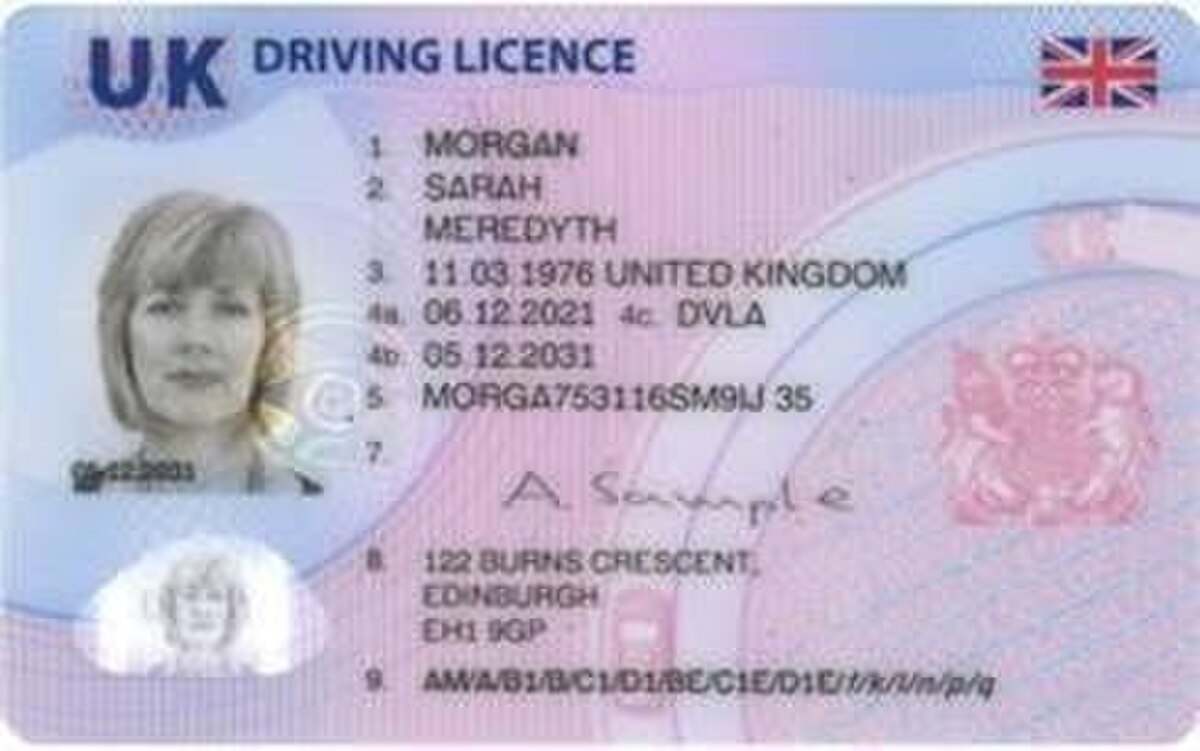
The maths depend on your annual premium and the discount percentage your specific insurer applies. At a 10 percent discount, the break-even point on a £175 course is a first-year premium of £1,750. For a typical 17 to 18-year-old paying between £2,000 and £3,000 in year one (ABI average estimates for 2024 put the under-18 average at around £2,500), the discount produces a positive financial return if the insurer is on the participating list. For a driver in their mid-twenties paying under £1,200, the course cost is unlikely to be recovered through a 10 percent discount alone.
The discount also applies to year one only at most insurers: it is a one-off recognition of the certificate on first completion, not a recurring reduction at each renewal. The training benefit, particularly the motorway module for drivers who have never joined a motorway on test, has value independent of any insurance outcome. For the full break-even table at different discount rates, see Is Pass Plus Worth It?.
What documentation do insurers require to apply the discount?
Insurers that actively process Pass Plus discounts ask for similar core information, though the precise requirements differ. When you contact your insurer to claim the reduction, have the following ready.
- The Pass Plus certificate reference number, and ideally a scanned copy of the original document. Some insurers accept the reference number alone; others ask for the physical certificate or a copy to be submitted.
- Your ADI name and ADI licence number. Both are printed on the certificate. Insurers cross-reference the registered ADI database to confirm the course was conducted by a qualified instructor currently on the DVSA register.
- The completion date. This is the date your ADI signed off the final module. Most insurers require this to fall within 12 months of your practical test pass date.
- Your practical test pass date and, in some cases, the test pass certificate number. DVSA pass records are verifiable; some insurers confirm pass status independently rather than relying entirely on self-declaration.
- Written confirmation from the insurer of any discount they offered before the course was booked. This is your record if a different agent later queries whether the reduction was promised.
What if your insurer does not offer a Pass Plus discount?
Most drivers who complete Pass Plus after 2022 find that their renewal insurer either does not recognise the certificate or applies only a marginal saving. In that case, the financial case for Pass Plus rests entirely on the training benefit. For drivers who will use motorways in their first year and have never joined a motorway on test, a post-test motorway lesson costing £50 to £80 for a two-hour session in a dual-control car targets the same gap more economically if the insurance saving is not available.
If you are committed to avoiding telematics and want a meaningful insurance saving, getting four or five direct quotes from traditional insurers before choosing a policy and asking each one about Pass Plus is worth doing. The discount can appear with one insurer and not with a near-identical product from a different provider even within the same price band, because Pass Plus is a rating factor applied inconsistently across the market rather than a visible standard option on all comparison sites.
Pass Plus and the wider picture for new drivers in year one
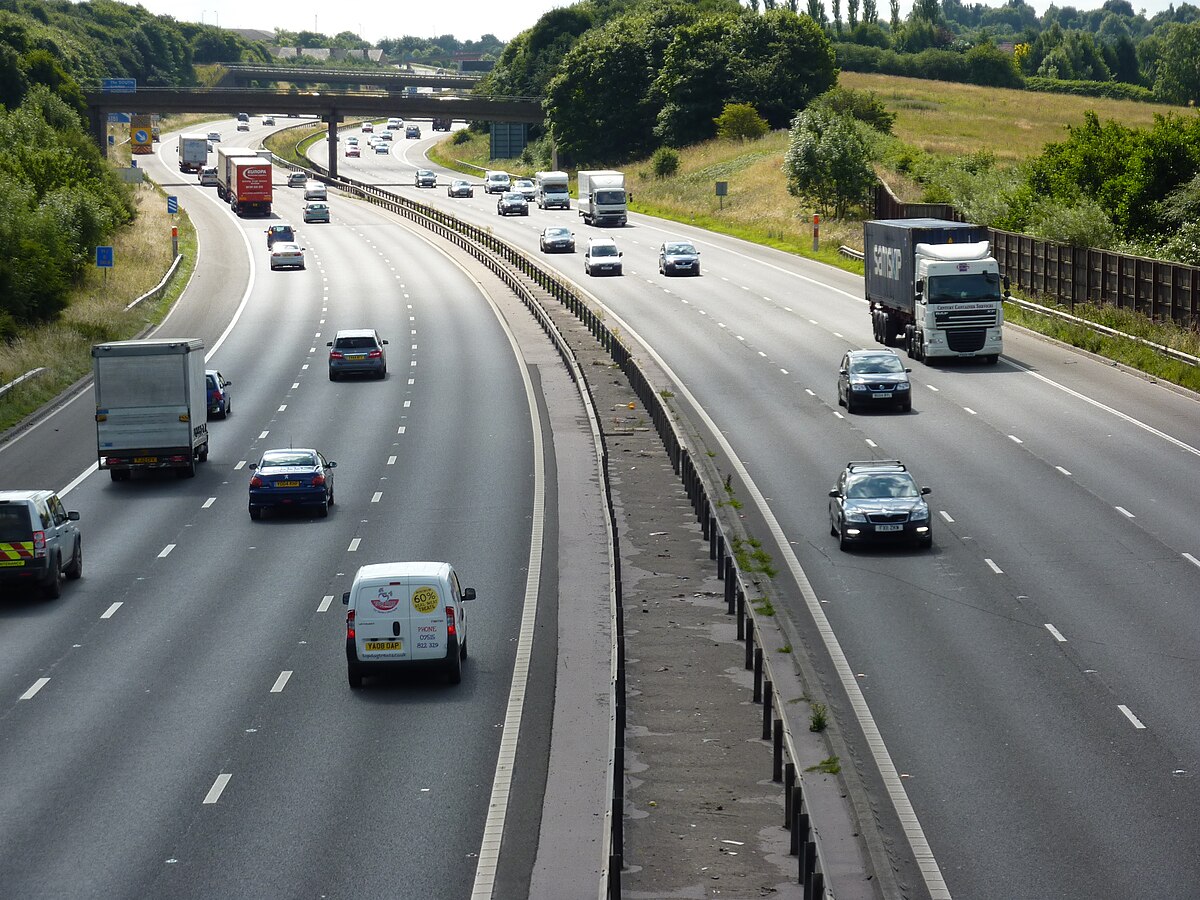
Insurance discounts aside, Pass Plus was designed to reduce the elevated crash risk that new drivers carry in their first 12 months. The first year after passing guide covers the data: new drivers are significantly more likely to be involved in a serious collision in year one than in any subsequent year. The six Pass Plus modules target the road types most associated with that risk: night driving, rural single-track lanes, dual carriageways and motorways where high speeds increase the consequence of misjudgement.
Whether Pass Plus shifts that risk in measurable terms is genuinely uncertain. DVSA does not publish a claim-frequency comparison for certificate holders versus non-holders. What the course provides is structured, supervised exposure to six categories of driving that the standard test never assesses, with a qualified instructor alongside for feedback. The safety case is plausible, not proven, which is why the honest framing is: training benefit first, insurance discount second.
“The certificate does not expire. Check the gov.uk insurer list, quote with the certificate declared at every renewal and with any new insurer: the discount can appear where it was not available before.”
Sources and further reading
The figures, fees, and procedures referenced in this article are verifiable on the official gov.uk pages below. PassRates.uk is built on the Driver and Vehicle Standards Agency’s open data, published under the Open Government Licence.
What is the pass rate at your test centre?
Search by centre name, town or postcode to see the latest DVSA figure.
Frequently asked questions
Which UK insurers offer a Pass Plus discount in 2026?
DVSA maintains the authoritative list of participating insurers on gov.uk. As of mid-2026, Direct Line Group products (Direct Line, Churchill, Privilege) and LV= are among the providers most consistently cited as recognising the certificate. Aviva, Admiral and most telematics-first insurers have moved away from certificate-based discounts. The gov.uk list is updated as insurers join or leave the scheme, so checking it directly is the only reliable current answer.
How much is the Pass Plus discount on insurance?
Where offered, the discount typically ranges from 5% to 15% of the first-year premium. The exact figure depends on the insurer and the driver profile: age, car model, postcode and claims history all influence the underwriting. A 17-year-old on a £2,500 annual premium could see a saving of £125 to £375 depending on the rate applied. The discount is generally a year-one reduction only and does not carry forward at renewal automatically.
Is there a time limit on claiming the Pass Plus insurance discount?
Most insurers that recognise Pass Plus require the course to have been completed within 12 months of the practical test pass date. Some have a shorter window. The certificate itself has no expiry once issued, but the insurer discount window typically runs from your pass date rather than the certificate date. Confirm the deadline with your insurer before booking, particularly if you are already several months past your practical test.
What documents do I need to claim the Pass Plus discount?
Insurers typically ask for the Pass Plus certificate reference number and completion date, your ADI name and ADI licence number (both on the certificate), and your practical test pass date. Some ask for a scanned copy of the certificate; others accept the reference number alone. Get any discount terms confirmed in writing from the insurer before booking the course, so you have a record if a different agent queries the reduction at the point of claiming.
Does declaring Pass Plus on a comparison site actually work?
Pass Plus is an option on most major comparison site forms. Declaring it triggers a check against each insurer product in the results. Where it applies, the premium should reduce. The difficulty is that many aggregator-routed products no longer apply the discount, so the comparison site output can look the same with or without it. Getting a direct quote from an insurer known to recognise the certificate, alongside the aggregator results, gives a clearer picture of the actual saving available to you.
Is Pass Plus still worth doing if my insurer does not offer a discount?
The course still has training value independent of any insurance outcome, particularly the motorway module for drivers who have not been on a motorway before passing. DVSA recommends Pass Plus on safety grounds regardless of whether a discount applies. If the financial case does not stack up, the motorway content is available as a standalone post-test motorway lesson for around £50 to £80, which is more focused and less expensive than the full six-module course.
Does the Pass Plus certificate expire?
No. The certificate has no expiry date once issued by DVSA. Most insurers tie their discount window to the test pass date rather than the certificate date, so the completion deadline matters, but the certificate itself remains permanently valid. It is worth declaring Pass Plus when quoting with any new insurer and at every renewal, because the participating insurer list changes and a certificate that earns no discount now may attract a reduction when you switch provider.
Every candidate behind these numbers passed a theory test first. Nationally 44.8% of attempts clear it.
Lane discipline, speed limits, the hard shoulder and smart-motorway signals. All 14 DVSA topics are free to practise, with no sign up. See the theory pass rate by centre or the full practice hub.
Related guides
Written by Vikas and the PassRates.uk team. Vikas is the software engineer and driving enthusiast who started the site. The figures come straight from the DVSA open dataset; see the methodology.
Source DVSA, Open Government Licence v3.0
Continue reading
Pinner (London) pass rate is 50.3% in 2024-25 across 14,672 tests, above both the London average of 47.8% and the UK average of 48.7%. How it compares to Barnet, Mill Hill and Enfield Innova, explained.
A post-test motorway lesson with an ADI costs around £50-80 for two hours and covers slip-road joining, lane discipline and smart motorway gantry signs.