Chichester Driving Test Centre: 64.2% Pass Rate (UK Rank 3, 2024-25)
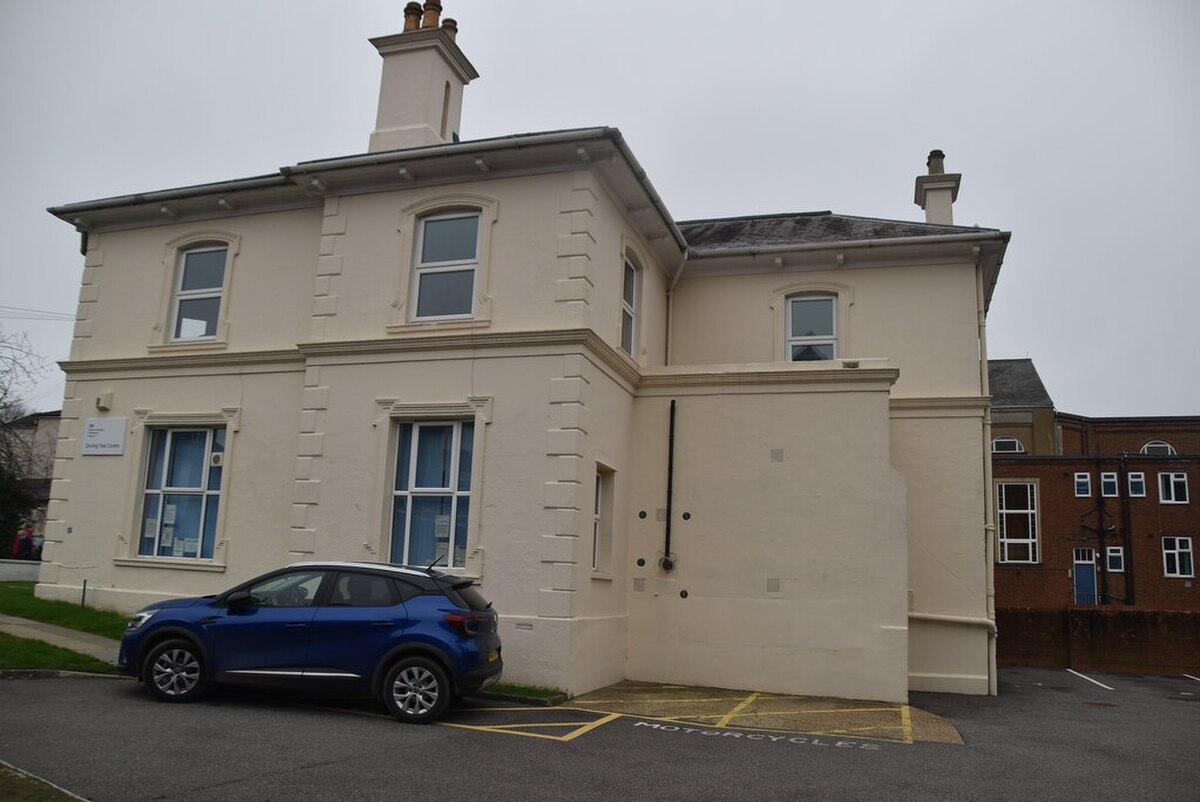
Chichester (West Sussex) passes 64.2% of practical driving test candidates in 2024-25, ranking it 3rd among 263 UK test centres with over 1,000 tests per year and 15.5 percentage points above the national average of 48.7%. For learners in West Sussex or within comfortable reach of the city, the data places this centre among the strongest practical test options available anywhere in England.
- Pass rate 2024-25
- 64.2%5,295 tests at Chichester, West Sussex
- UK rank 2024-25
- 3rdof 263 centres with over 1,000 tests per year
- First-time pass rate
- 64.6%3,170 first-attempt candidates in 2024-25
- Male pass rate
- 63.8%2,875 male candidates, 2024-25
- Female pass rate
- 64.7%2,420 female candidates, 2024-25
- vs UK national
- +15.5ppNational average 48.7%, 2024-25
What the 64.2% figure means in practice
A pass rate of 64.2% at Chichester means that roughly two in three candidates leave the test centre with a full driving licence on the day of the test. Nationally, the comparable figure is 48.7%, so Chichester passes candidates at a rate roughly 28% higher by absolute number. The practical implication is that at Chichester you are statistically more likely to pass than to fail, which holds true for only a handful of centres across the country.
For context among the top performers nationally: Dorchester in Dorset leads the ranking at 66.7% (4,561 tests), followed by Kendal (Oxenholme Road) in Cumbria at 64.8% (2,149 tests), then Chichester at 64.2% (5,295 tests), and Bangor (Wales) in fourth at 64.1%. The four top centres in the country are grouped within a 2.6-percentage-point band. Chichester is notable within that group for its test volume: at 5,295 tests it conducts more than double the number of tests as Kendal, meaning the 64.2% figure is a statistically robust result rather than a small-sample outlier.
The structural reason for Chichester's high pass rate is the road environment. Chichester is a cathedral market town in West Sussex with a grid-plan city centre, well-marked road layouts, and direct access to the A27 dual carriageway. Test routes do not expose candidates to the sustained high-density stop-start traffic pressure of a large urban conurbation. The road mix demands accurate lane discipline, precise mirror-signal-manoeuvre technique, and correct handling of roundabouts on approach, but not the kind of compressed hazard-management load that reduces pass rates in towns like Crawley (40.1%) or inner London centres.
Chichester test routes and what they cover
The Chichester DVSA test centre sits close to the city's southern ring road. Routes start and end at the centre and typically draw on the following road environments:
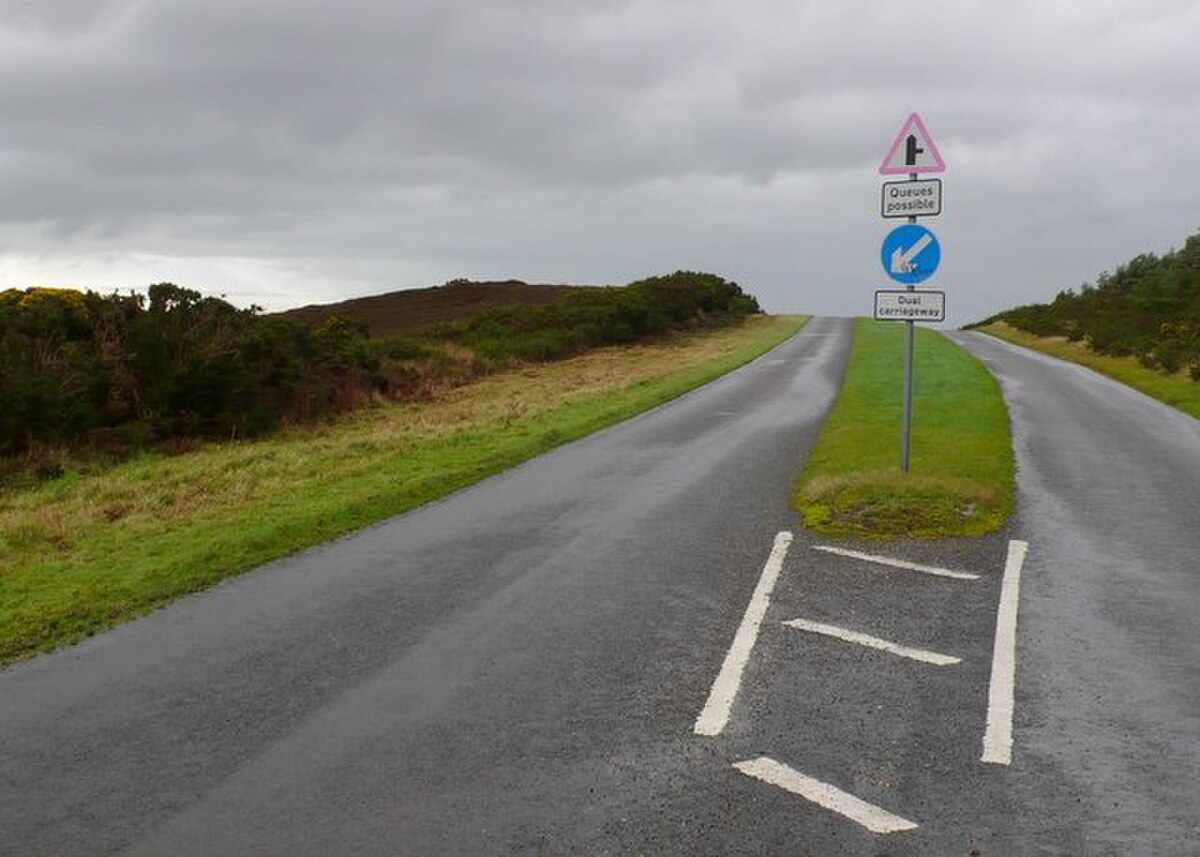
- The A27 Chichester bypass: a dual carriageway with national speed limit (70 mph), marked lanes and slip-road junctions. Examiners use this section to test dual-carriageway lane discipline, overtaking awareness, and correct joining and leaving technique.
- The A259 toward Fishbourne and Southbourne: a mixed-speed route that transitions between 30 mph residential zones and national speed limit open sections, with right-turn junctions and pedestrian crossings through built-up areas.
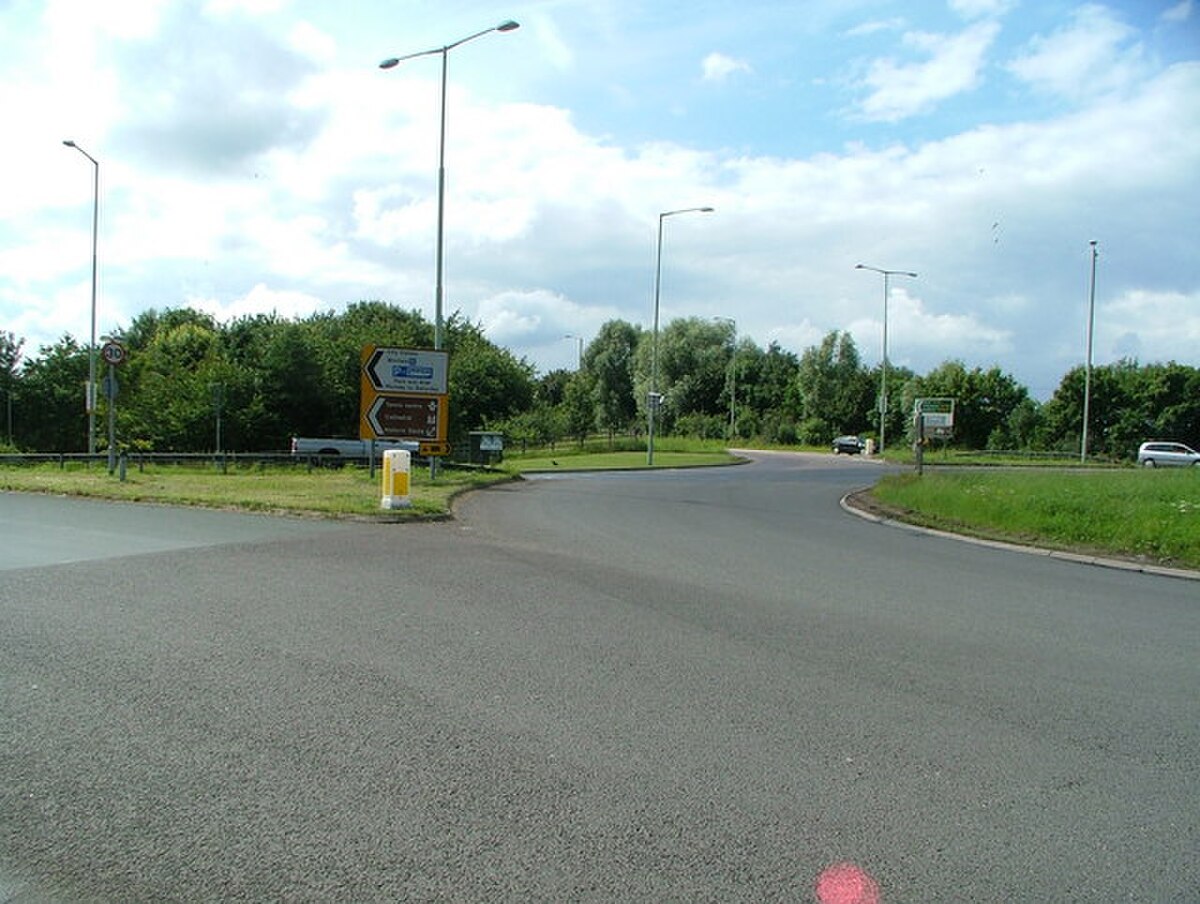
- Chichester city centre: the historic grid approaches via ring-road roundabouts and short signalled roads. The pedestrianised core channels test routes through specific approach streets where correct lane selection on arrival at the roundabout is a common observation point.
- Portfield, Whyke and Stockbridge Road: suburban residential streets with 20 mph zones and parked vehicles on both sides, where consistent mirror-to-mirror checking before passing stationary cars is tested throughout.
- The B2145 Selsey road south of the city: a relatively clear single-carriageway national speed limit road through flat agricultural land, offering a straightforward higher-speed section with lower hazard complexity than the urban routes.
The absence of a motorway within the standard test area (the nearest is the A3(M) near Petersfield, roughly 20 miles north-east) means the A27 dual carriageway is as demanding as the route gets in terms of speed. That is manageable for most candidates who have had proper dual-carriageway exposure during lessons. The route mix as a whole rewards accurate junction observation, correct lane positioning at roundabouts, and consistent mirror discipline rather than high-density hazard processing under time pressure.
How Chichester compares to nearby test centres
Among the south of England centres within roughly 40 miles, the nearest in pass rate is Worthing at 58.8%, a 5.4-percentage-point gap. Eastbourne follows at 52.1%, then Portsmouth and Guildford both at 51.8%, and Crawley at the bottom of the local group at 40.1%. The 24.1-point spread between Chichester and Crawley illustrates how sharply road environment shapes test outcomes: both centres are in the south of England but Crawley's busy dual-carriageway interchanges and high-volume roundabouts create a substantially harder environment than Chichester's cathedral market town.
For learners who currently live in the Portsmouth or Guildford catchment, the gap to Chichester is 12.4 percentage points. The should I travel for an easier test guide examines whether that gap makes the journey worthwhile. The short answer is that it does if you can arrange a lesson or two on Chichester routes beforehand, but it does not if you plan to take the test cold in an unfamiliar area. Route familiarity on the A27 sections and the ring-road roundabouts matters as much as the headline pass rate, and arriving without having driven the area reduces the advantage considerably.
Gender split at Chichester
Male candidates pass at 63.8% and female candidates at 64.7% at Chichester in 2024-25, a gap of just 0.9 percentage points with female candidates marginally ahead. The national gender gap for 2024-25 runs in the opposite direction, with male candidates passing at 49.5% and female candidates at 47.6%, a 1.9-point difference in favour of males. Chichester's near-identical rate across genders, with females slightly above males, is relatively unusual and suggests the route environment does not structurally favour one group over the other.
The test counts behind these figures are 2,875 male candidates and 2,420 female candidates. At those volumes the confidence intervals are approximately plus or minus 1.8 and 2.0 percentage points respectively, which means the 0.9-point gap sits within the statistical noise range. Gender is not a meaningful predictor of pass probability at Chichester: the routes affect male and female candidates at essentially the same rate.
Pass rate trend: 2017-18 to 2024-25
Chichester held a pass rate in the low-to-mid 50s from 2017-18 through 2019-20, then jumped sharply to 65.8% in 2021-22 when testing resumed after the pandemic suspension. That jump is consistent with what happened nationally: candidates who had waited longer before testing were, on average, better prepared, and the post-lockdown cohort worked through with higher pass rates across most centres. Since 2022-23 the rate has stabilised in the 63-65% range, roughly 10 percentage points above the pre-pandemic baseline.
The 2024-25 figure of 64.2% confirms the post-pandemic improvement is structural rather than a short-term anomaly. The 2023-24 dip to 63.0% was the first year below 64% since testing resumed and may partly reflect the larger test cohort that year (7,210 tests versus 3,668 in 2021-22 when the elevated rate was first recorded). The 2024-25 recovery to 64.2% on a smaller but still substantial volume of 5,295 tests indicates the elevated plateau is holding.
First-time candidates at Chichester
Of the 5,295 tests conducted at Chichester in 2024-25, 3,170 were first attempts. Those candidates produced 2,048 passes: a first-time pass rate of 64.6%. This is marginally above the overall rate of 64.2%, which is an uncommon pattern. At most UK centres the overall pass rate slightly exceeds the first-time rate because repeat candidates who have learnt from a previous fail typically push the headline figure upward. Chichester's near-identical first-time and overall rates (within 0.4 percentage points) indicate that repeat candidates do not hold a structural advantage here: a first-attempt candidate has essentially the same statistical chance as someone taking a second or third test.
This matters practically for learners deciding whether to book at Chichester. The centre does not disproportionately reward experienced retakers who have memorised the routes. A candidate on a first attempt should treat the 64.6% first-time rate as their own personal baseline, not the lower figure that applies at many urban centres where repeat candidates cluster to benefit from known routes.
Should you travel to Chichester for your test?
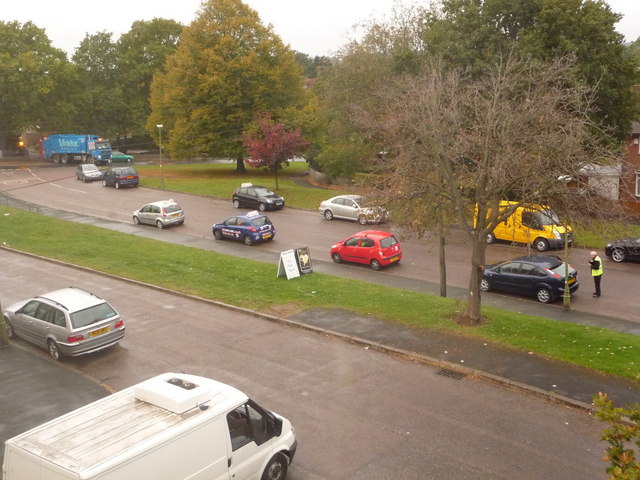
Chichester is worth considering as a travel destination if your nearest test centre has a pass rate of 55% or below and you can manage the logistics. The south of England centres in that range include Crawley (40.1%), and the mid-range options such as Portsmouth (51.8%), Guildford (51.8%) and Eastbourne (52.1%) still sit 12 to 24 percentage points below Chichester. The easiest vs hardest test centres guide sets out the full national picture and helps you benchmark your local centre before deciding whether to travel.
The three conditions under which travelling to Chichester is likely to be worthwhile are:
- You can arrange at least one lesson covering the A27 slip-road section and the main ring-road roundabouts, either with a Chichester-based instructor or by travelling to the area with your regular instructor. Route familiarity on those two elements specifically reduces the main sources of minor and major faults.
- The travel time from your home to Chichester is under 60 minutes by car, so you arrive at the test centre calm rather than stressed from a long journey. DVSA guidance recommends arriving 15 minutes early, which becomes harder to achieve reliably if the journey itself is stressful or prone to delay.
- The wait time for a Chichester test slot is not significantly longer than at your local centre. Waiting times across UK centres fluctuate throughout the year. The driving test wait times guide covers how to track current availability, and the driving test cancellations guide explains how to find earlier slots if the standard wait is too long.
If you are already based in Chichester or within the West Sussex coastal catchment (Bognor Regis, Selsey, Emsworth, Havant), Chichester is the natural first-choice centre. The 12.4-point advantage over Portsmouth and the 5.4-point advantage over Worthing are meaningful: on a first attempt, the difference between 64.2% and 51.8% is the difference between expecting to pass and expecting to fail. The driving test centres with shortest waits guide also covers how to identify centres with both high pass rates and lower waiting times.
“Chichester's 64.2% pass rate has held above 63% in every year since 2022-23. The road environment that produces it, mixing manageable market-town streets with a dual carriageway section, does not change season to season.”
Sources and further reading
The figures, fees, and procedures referenced in this article are verifiable on the official gov.uk pages below. PassRates.uk is built on the Driver and Vehicle Standards Agency’s open data, published under the Open Government Licence.
What is the pass rate at your test centre?
Search by centre name, town or postcode to see the latest DVSA figure.
Frequently asked questions
What is the Chichester driving test centre pass rate?
The Chichester (West Sussex) pass rate is 64.2% for the 2024-25 DVSA statistical year, based on 5,295 tests. The first-time pass rate is 64.6%. The UK national average for 2024-25 is 48.7%, so Chichester sits 15.5 percentage points above the national figure. Chichester ranks 3rd among 263 UK centres that conducted more than 1,000 tests in 2024-25.
Is Chichester one of the easiest driving test centres in the UK?
Yes. Chichester ranks 3rd in the UK for pass rate in 2024-25 among centres with over 1,000 tests, behind only Dorchester (66.7%) and Kendal (Oxenholme Road, 64.8%). The high rate reflects the road environment: Chichester routes combine manageable market-town streets, clear A-road sections, and a dual carriageway section rather than the high-density urban traffic that lowers pass rates in many larger towns. The easiest vs hardest test centres guide covers the full national picture.
How does Chichester compare to Portsmouth for the driving test?
Chichester passes 64.2% of candidates versus 51.8% at Portsmouth, a gap of 12.4 percentage points. Portsmouth's test area includes the urban density and dual-carriageway interchanges of a major port city, while Chichester's routes run through a quieter market-town environment. Whether the gap justifies travelling depends largely on whether you can practise Chichester routes before the test day. The should I travel for an easier test guide covers this decision in detail.
How many driving tests does Chichester conduct per year?
5,295 tests were conducted at Chichester in 2024-25. That places the centre in the mid-range nationally for throughput (high-volume city centres conduct 20,000 or more per year). At 5,295 tests, the 64.2% pass rate has a 95% confidence interval of approximately plus or minus 1.3 percentage points, making it a statistically reliable figure rather than a small-sample result.
What are the main challenges on a Chichester driving test route?
The two main challenges are the A27 dual carriageway section (joining from a slip road, maintaining lane discipline at 70 mph, and exiting correctly) and the ring-road roundabouts approaching the city centre (selecting the correct approach lane early and signalling at multi-exit junctions). The 30 mph and 20 mph residential sections also test regular mirror checks before passing parked vehicles, which is a common minor fault nationwide and is assessed equally at Chichester.
What should I practise for the Chichester driving test?
Prioritise the A27 east of Chichester (joining, lane discipline at national speed limit, leaving at the correct exit), the roundabouts on the A27 and inner ring road, and slow residential driving in the 20 mph zones around Portfield and Whyke. The most common driving test faults guide covers the nationwide fault list, and the driving test faults explained guide details the difference between major and minor categories.
Does the Chichester pass rate vary by time of year?
DVSA does not publish Chichester pass rates broken down by month. Nationally, test volumes are highest from September to November (the school-leaver wave) and lowest in December, with pass rates remaining broadly stable across the year at any given centre. The best month to book your driving test guide covers how booking demand and waiting times vary through the year, which affects when test slots are available rather than the underlying pass rate.
Every candidate behind these numbers passed a theory test first. Nationally 44.8% of attempts clear it.
Following distances, courtesy, priority and how to behave around other road users. All 14 DVSA topics are free to practise, with no sign up. See the theory pass rate by centre or the full practice hub.
Related guides
Written by Vikas and the PassRates.uk team. Vikas is the software engineer and driving enthusiast who started the site. The figures come straight from the DVSA open dataset; see the methodology.
Source DVSA, Open Government Licence v3.0
Continue reading
The minimum time gap on a wet road is 4 seconds, double the 2-second dry rule. Highway Code Rule 126 explained, with the theory test wording, how to measure the gap, and stopping distances at 30, 60 and 70 mph.
Pinner (London) pass rate is 50.3% in 2024-25 across 14,672 tests, above both the London average of 47.8% and the UK average of 48.7%. How it compares to Barnet, Mill Hill and Enfield Innova, explained.