Car permit tests, in your state's own format
Each state writes its own car knowledge test, so the question count and the mark that passes change at the state line. Pick a state and you get a paper built to what that agency publishes, with the source printed under every answer.
Texas
TXTxDPS publishes no count, so our paper asks 30, and 21 right clears the 70 percent it does publish.
California
CA36 questions, 30 to pass. That count traces to an older California DMV report rather than a live page.
New York
NY20 questions, 14 to pass and 2 of 4 signs right, exactly the New York DMV format.
More states are being added. All states covered.
What the car knowledge test covers
Most of the paper is national. The federal sign manual fixes the shapes and the colors, and stopping distance does not change at a border, so the shared core below is correct wherever you sit the test. Each state paper then adds its own statute layer on top, and that layer is the part a national practice test gets wrong.
Where the states part company
The published format is the difference that matters, and not every agency publishes one. Where a figure is missing we say so rather than repeating a number with nothing behind it.
| State | Published format | Our paper |
|---|---|---|
| FloridaFL | 50 questions, 40 to pass (80%)FLHSMV, Class E Knowledge Exam and Driving Skills Test, checked September 9, 2026 | 50 questions, pass with 4080 percent, per FLHSMV, Class E Knowledge Exam and Driving Skills Test, checked September 9, 2026. |
| TexasTX | 70% to passTxDPS does not publish how many questions the test has.Texas Driver Handbook DL-7 (rev. January 2026) and dps.texas.gov, checked September 9, 2026 | 30 questions, pass with 21Length ours, pass mark theirs at 70 percent. |
| CaliforniaCA | 80% to passCalifornia DMV publishes no current question count. The 36 widely quoted comes from an older agency report, not a live page.California DMV Research and Development Branch report RSS-06-221 (December 2006), checked September 25, 2026 | 36 questions, pass with 3083.3 percent, per California DMV, Learner's Permits, checked September 25, 2026. |
| New YorkNY | 20 questions, 14 to pass, and at least 2 of the 4 road sign questions rightNew York State Driver's Manual (MV-21), Chapter 1: Driver Licenses, checked September 25, 2026 | 20 questions, pass with 14Both conditions enforced: 14 of 20, and 2 of the 4 road sign questions drawn into every sitting. New York State Driver's Manual (MV-21), Chapter 1: Driver Licenses, checked September 25, 2026. |
Which rules are the same in every state?
The shared layer is the federal Manual on Uniform Traffic Control Devices. In the 11th Edition, Section 2A.05 and Table 2A-1 tie seven shapes to named signs. Five belong to one sign each: the octagon is stop, the downward triangle is yield, the circle is the grade crossing advance warning, the pennant is the no-passing zone sign, and the crossbuck is the grade crossing sign itself. The upward pentagon is shared by the school sign, with squared bottom corners, and the county route marker, with tapered lower sides. The trapezoid is kept for recreational and cultural interest guide signs and the National Forest route marker. A diamond marks the warning series, not one sign. FHWA now lists the 11th Edition with Revision 1, dated December 2025, as current. The table numbers here come from the December 2023 Chapter 2A file it still posts.
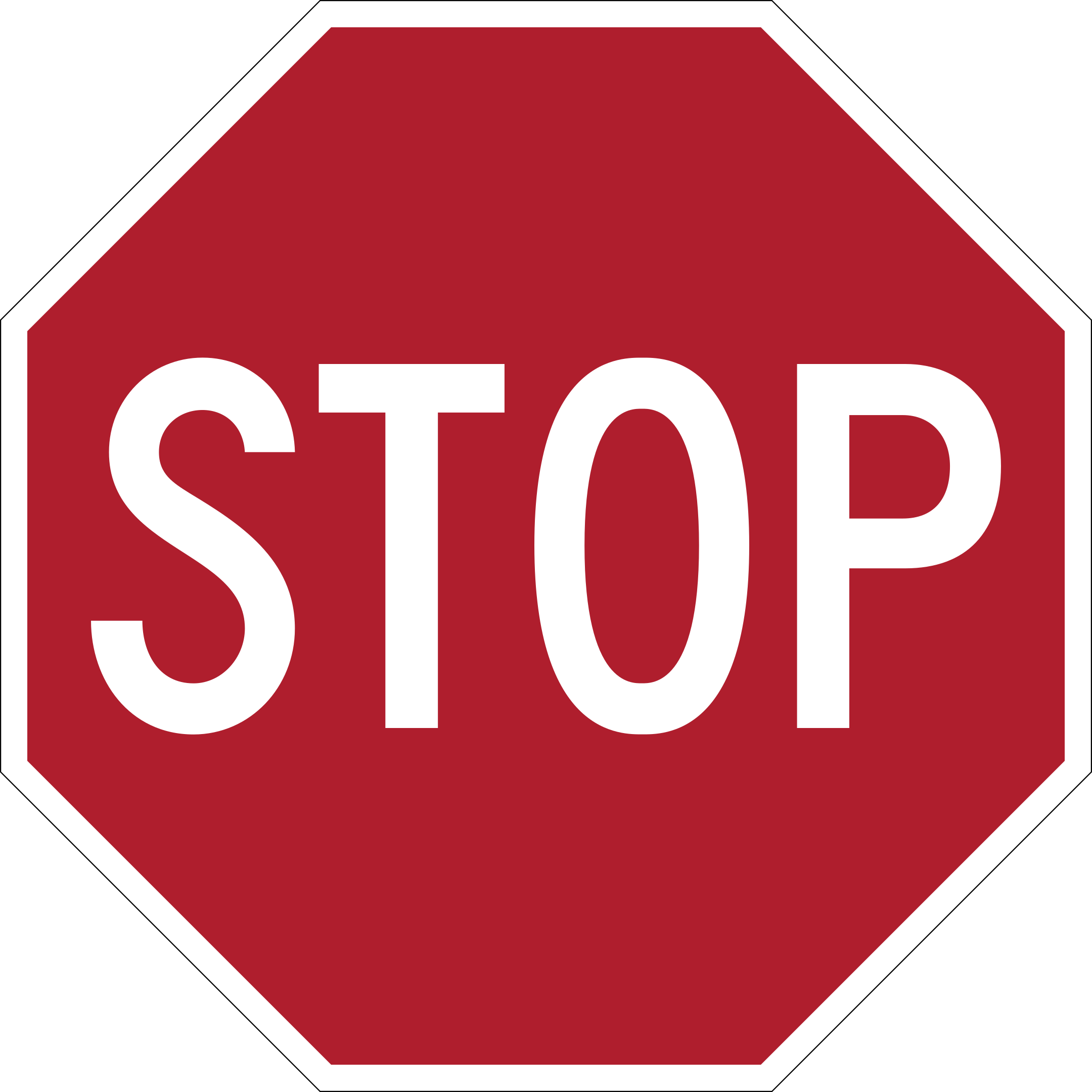
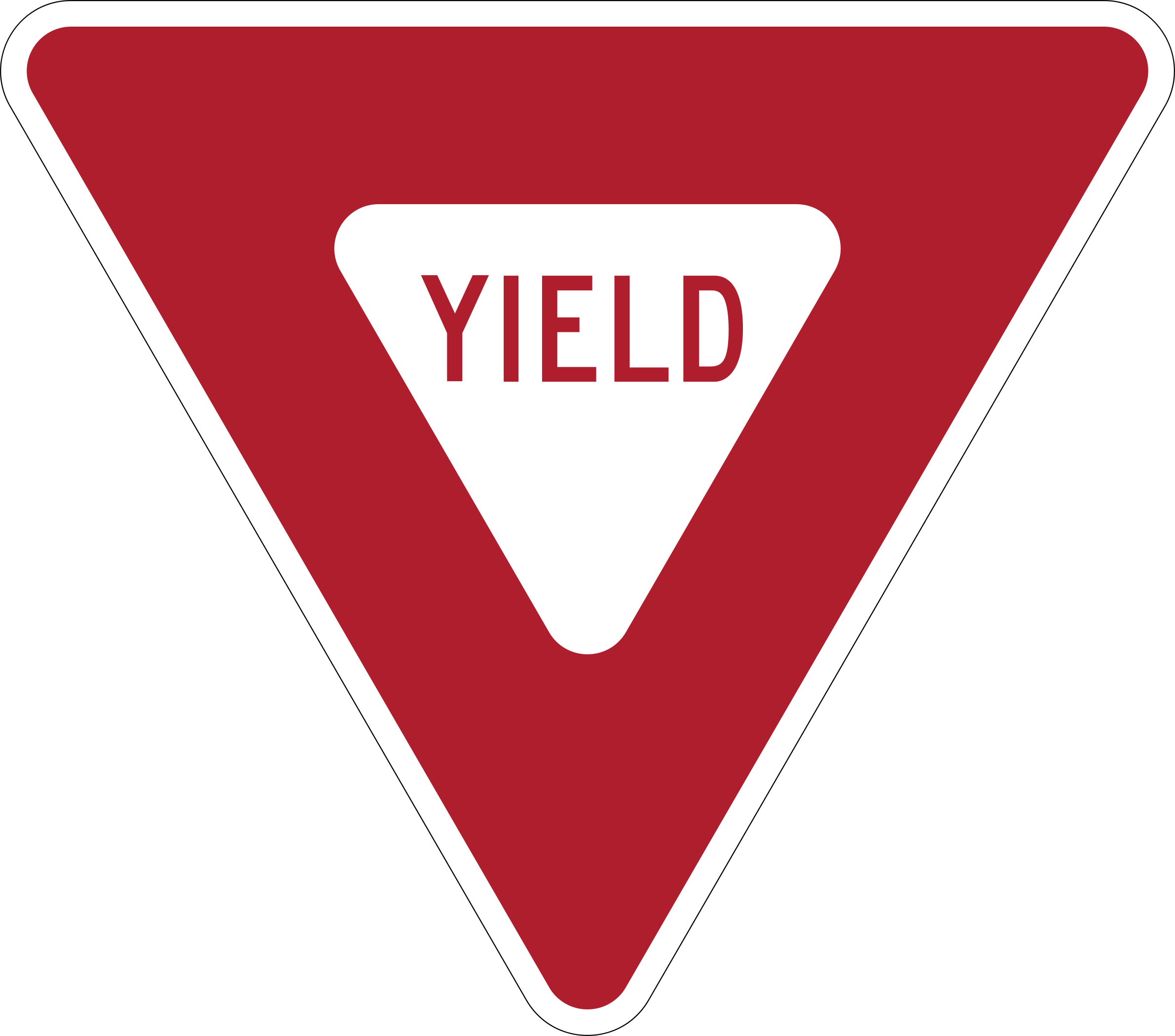
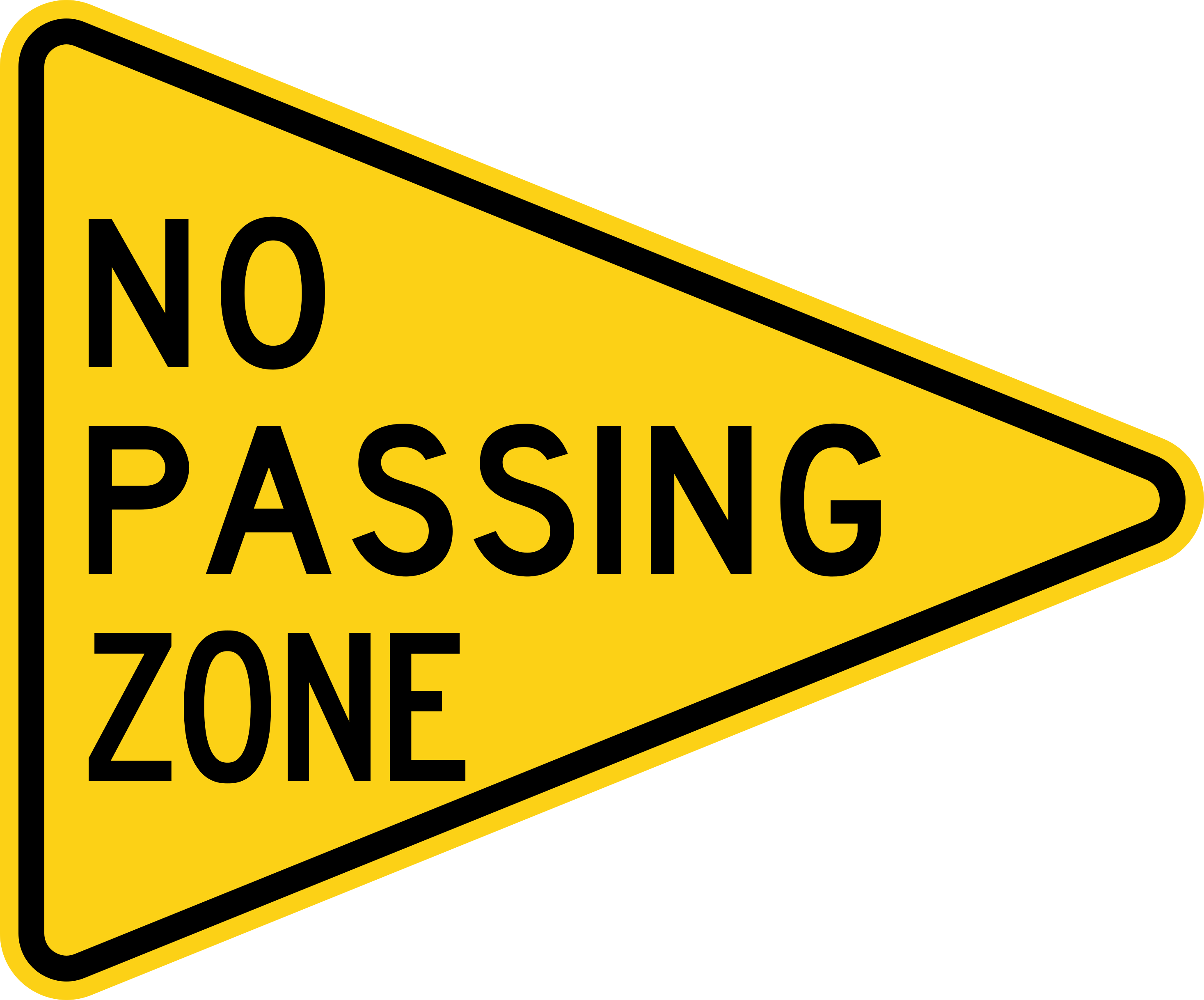

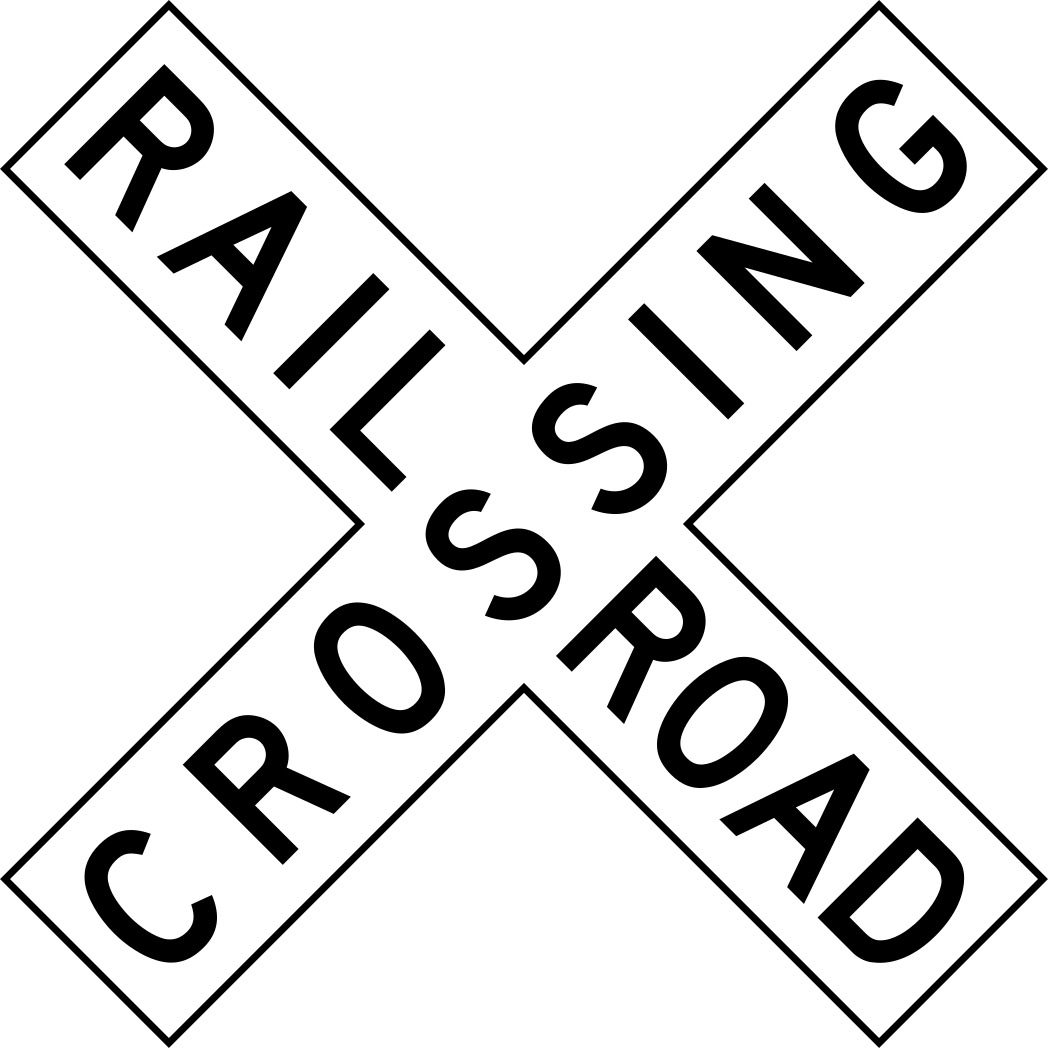

Stop, yield, the no-passing pennant, the round grade crossing warning, the crossbuck, and the school pentagon. Table 2A-1 reserves each shape for its sign, except that the pentagon also marks county routes.
Table 2A-2 lists the common color pairs. Warning signs are black on yellow. Temporary traffic control (work zone) signs are black on orange. Guide signs are white on green, and road user service signs are white on blue. School signs are black on fluorescent yellow-green. Pedestrian and bicycle warning signs may use yellow or fluorescent yellow-green, so that color alone does not mean school.
Alcohol limits, phone rules, curfews, insurance minimums, and who may supervise a learner are set by each state, so a practice set built only on the sign manual misses them.
Florida Statutes s. 322.12(3)(a)3 requires at least 25 bicycle and pedestrian safety questions in the Class E question bank. That is the pool the exam draws from. The statute does not say how many reach one sitting, or how long the sitting is.
How do Florida, Texas, California, and New York differ after the sign shapes?
The table above covers the exam format. This one covers the learner stage around it. Each row is for applicants under 18 unless a cell says otherwise.
| Rule | Florida | Texas | California | New York |
|---|---|---|---|---|
| Youngest learner permit | 15, after a driver education traffic safety course, the knowledge exam, and vision and hearing tests | 15 to under 18, after the classroom hours for the chosen driver education method (the first 6 on the concurrent method, all 24 on the block method) and every exam except the driving test | 15 years and 6 months with driver education. From 17 years and 6 months it can be issued without driver education, but the drive test then waits until 18 | 16, with a parent or guardian consenting at 16 and 17 unless a 17-year-old holds a driver education certificate |
| Who sits beside you | A driver 21 or older, licensed for that type of vehicle, in the closest seat to the right | 21 or older, licensed for that type of vehicle, with 1 year of driving experience, in the seat by the driver. Sleeping or being intoxicated there is an offense | Under 18: a California-licensed driver 25 or older, or a licensed parent, guardian, spouse, or driving instructor of any age. 18 and older: a California-licensed driver 18 or older | A driver 21 or older, licensed for that vehicle, in the front seat. For a junior permit in New York City, only a parent, guardian, person in loco parentis, driver education teacher, or driving school instructor may supervise, and the car needs dual brakes. On Long Island, someone authorized in writing by a parent, guardian, or person in loco parentis may also supervise |
| Practice hours | 50 hours, 10 at night, certified by a parent, guardian, or responsible adult | Parent-taught: 7 hours of in-car instruction and 7 of in-car observation, plus 30 practice hours, 10 at night, with no more than 2 practice hours a day | 50 hours, 10 at night, plus driver training. No adult minimum is stated | 50 hours, at least 15 after sunset, certified on form MV-262 and handed to the examiner at every road test |
| Permit hold | 12 months or until 18, with no moving conviction unless adjudication was withheld after traffic school | 6 months or until 18, on a learner or hardship license | 6 months or until 18. The application and fee stay valid 12 months | Under 18, the junior permit must be valid for at least 6 months before a road test can be booked. Time suspended or revoked does not count |
| Night rule while learning | Daylight only for the first 3 months, then until 10 p.m. | The under 18 ban from midnight to 5 a.m. does not apply while the learner is properly accompanied | No permit curfew is stated. The provisional license bars 11 p.m. to 5 a.m. for its first 12 months | Set by region. No junior permit driving from 9 p.m. to 5 a.m. in New York City or on Long Island. Upstate at those hours, only with a licensed parent, guardian, person in loco parentis, driver education teacher, or driving school instructor, age 21 or older |
| A failed test | $10 per knowledge retest, $20 per skills retest. No wait is published. No skills pass within 5 attempts in 1 year brings a 1-year suspension | After a failed drive test the application stays open 90 days. After 90 days or 3 failed tests, you reapply and pay again | 3 knowledge attempts per application. Minors wait 7 days after a failed knowledge test and 14 after a failed drive test, not counting the day of the failure | The $10 application fee covers 2 knowledge attempts, then a new fee, with no written retest wait published. After a failed road test, wait 14 days. 2 road tests are included, then $10 buys up to 2 more |
Florida: Statutes ss. 322.05, 322.12, and 322.1615, Administrative Code rule 15A-1.015(3), the FLHSMV teen licensing page, and the FLHSMV fee schedule. Texas: Transportation Code ss. 521.204, 521.222, and 545.424, the DPS teen learner page, the TDLR parent-taught page, and DPS form DL-60 (rev. 03-2026). California: the DMV instruction permit page and handbook Sections 2 and 3. New York: Vehicle and Traffic Law ss. 501, 501-b, 502, and 503, and the DMV learner permit restrictions, pre-licensing requirements, and road test pages.
Turning 18 removes most of that layer. The Florida 12 month hold and 50 hour certification apply only at 16 and 17. Texas drops the 6 month hold but still requires driver education until 25, unless you hold a valid license from another state. California drops driver education, the logged hours, and the 6 month hold, and any California-licensed driver 18 or older may supervise. New York drops the 6 month wait and the MV-262 hours at 18, but every new driver, at any age, still completes the 5-hour pre-licensing course or a driver education program before the road test.
What does the path from permit to license look like?
The timeline follows the Florida statute. Texas runs from a learner license at 15, through a 6 month hold, to a license at 16. California runs from a permit at 15 years and 6 months, through a 6 month hold, to a license at 16.
- Age 15Pass the exams for the learner license
A driver education traffic safety course, the Class E knowledge exam, and vision and hearing tests all come first. Texas also wants the classroom hours for the chosen method done first, 6 on the concurrent method or 24 on the block method, and California wants driver education before the permit.
- First 3 monthsDaylight only, with a supervisor
A licensed driver 21 or older sits in the closest seat to the right on every drive. After 3 months the limit moves to 10 p.m.
- 12 monthsHold the license and log the hours
Under 18, the learner license is held 12 months and a parent, guardian, or responsible adult certifies 50 hours, 10 at night. A moving conviction blocks the next step unless adjudication was withheld after traffic school.
- Age 16Pass the driving skills test
The knowledge result does not replace it. Each Florida skills retest costs $20, and no waiting period between attempts is published.
What does one learner year look like on a calendar?
Tessa Morgan, Orlando, learner license issued March 20, 2026
- 1Tessa turns 15 on March 3, 2026, finishes a driver education traffic safety course, and passes the Class E knowledge exam and the vision and hearing tests. Her learner license is issued March 20, 2026, which meets every condition in s. 322.1615(1).
- 2Her mother is 42, holds a valid Florida Class E license, and rides in the front passenger seat. Tessa drives in daylight only until June 20, 2026, 3 months after issue, and after that she may drive until 10 p.m.
- 3By March 20, 2027 she has held the learner license 12 months. She turned 16 on March 3, 2027, her log shows 50 hours with 14 at night, and she has no moving conviction. Her mother signs the certification that s. 322.05(3) requires.
- 4She fails the driving skills test on March 24, 2027 and passes on March 31. The first attempt carries no retest fee, and the second costs $20 under s. 322.12(1) and the FLHSMV fee schedule. FLHSMV publishes no waiting period between attempts, so the 7 day gap is her own choice.
Outcome. On March 31, 2027 Tessa holds a Class E license at 16 years and 28 days. At 16 she may drive alone only between 6 a.m. and 11 p.m. unless she is driving to or from work or has a licensed driver 21 or older with her. A moving conviction without withheld adjudication would have blocked the license however many hours she had logged.
How do you study the two layers without wasting the hours?
- 1Learn the reserved shapes first
Start with the shapes in Table 2A-1: octagon, downward triangle, circle, pennant, crossbuck, and pentagon. They carry over if you move states. Then learn the color pairs in Table 2A-2.
- 2Finish closed-book
California forbids the handbook and phones during the knowledge test, so do the last practice rounds with no notes, and mark yourself at the pass mark in the table above.
- 3Keep the log your state asks for
Florida wants a signed certification of 50 hours, 10 at night. Texas parent-taught students record the 30 practice hours on the TDLR log, at most 2 hours a day. California minors need 50 hours, 10 at night, certified on the permit by a parent, spouse, guardian, or instructor.
- 4Book the drive test with a retry in mind
A California minor who fails waits 14 days, and a Texas application lapses after 90 days or 3 failed drive tests, so book the first attempt early in that window. Florida sets no wait, and each skills retest costs $20.
Common questions
How many questions are on the car permit test?
It depends on the state, and two of the four here do not publish a current figure. Florida publishes 50 questions with 40 correct to pass; TxDPS publishes none at all; California DMV publishes no count on any current page, and the 36 quoted everywhere comes from an older agency report; New York publishes 20 questions with 14 correct to pass, and at least 2 of the 4 road sign questions right.
What score do I need to pass?
Florida, 80 percent. Texas, 70 percent. California, 83.3 percent. New York, 14 of 20 plus at least 2 of the 4 road sign questions. Each of those is the figure that state publishes. Where a state also documents an error allowance that works out stricter than its own headline percentage, the paper here is marked at the allowance instead.
Are these the real exam questions?
No, and nobody selling you a bank of them has the real ones either. These are original questions written from the rule they test, each printing the statute number or handbook section it was drafted against, so you can check the wording against the text the state publishes.
If I already hold a license from another state, do I take the knowledge test again?
It depends on the state. Florida may waive the knowledge, endorsement, and skills tests when you surrender a valid license from another state, a Canadian province, or the US Armed Forces and apply for the same class or a lower one. That is a may, not a must. Texas lets a new resident 16 or older drive on the old license for up to 90 days, and DPS says a valid license from another US state, a US territory, or Canada is surrendered without the knowledge exam. The skills exam is waived too at 18 and older, but DPS still requires it of every applicant under 18. California lists the knowledge test, with 3 attempts, for someone who holds another state's license, and lists the driving test only for a license from another country.
Can I skip the permit once I turn 18?
In Florida, largely yes. The 12 month learner hold ends at 18, so after the traffic law and substance abuse course, which s. 322.095(1) requires at 18 and older unless you were licensed elsewhere or completed a Department of Education driver education course, you can pass the knowledge exam and the driving skills test and apply for a Class E license. If you want supervised practice first, s. 322.07(1) offers a 90 day temporary instruction permit, driven with a licensed driver 21 or older in the closest seat to the right. In California, no: without a license from California or another state you need an instruction permit before the drive test, though not driver education, logged hours, or the 6 month hold. In Texas, the 6 month hold in s. 521.204(b) covers applicants under 18 only, but anyone under 25 still needs an approved driver education course under s. 521.1601.
Who has to ride with a learner, and what can get that person in trouble?
Florida wants a driver at least 21, licensed for that type of vehicle, in the closest seat to the right. Breaking that rule or the hour limits carries the civil penalty for a moving violation under s. 322.1615(4). Texas wants someone 21 or older, licensed for that type of vehicle, with at least 1 year of driving experience, in the seat by the driver. That person commits an offense under s. 521.222(g) by sleeping, being intoxicated, or doing anything that stops them watching and reacting to the learner. California minors practice with a California-licensed driver 25 or older, or a licensed parent, guardian, spouse, or instructor of any age, and adults with a California-licensed driver 18 or older, seated where they can take over the car.
Can I take the knowledge test somewhere other than a licensing office?
In Florida, an applicant under 18 can take the Class E knowledge exam online through an approved third-party administrator, with a Parent Proctoring Form that is notarized or signed in front of an examiner. FLHSMV says a pass through a third party can be picked for a random, no-fee retest at an office, a check that s. 322.56(3) lets the department run. The exam is offered in English only. In Texas, the knowledge exam can be taken during the classroom phase of driver education, and otherwise at a driver license office. The California instruction permit page describes office testing and says tests are not available at DMV offices after 4:30 p.m.
What if my California application runs out before I have held the permit for 6 months?
The application and fee are valid for 12 months from the day you apply. If that year ends before you have held the provisional instruction permit for the 6 months needed to book the drive test, you reapply at a DMV office. The months you already held count toward the 6, so take both the expired permit and the new one to the drive test as proof.
Is a learner night restriction the same thing as a provisional night restriction?
No. Florida puts its limit on the learner license: daylight only for 3 months, then until 10 p.m. Once licensed, a Florida 16 year old may drive alone only from 6 a.m. to 11 p.m. and a 17 year old from 5 a.m. to 1 a.m., unless driving to or from work or with a licensed driver 21 or older. California bars provisional drivers from the road between 11 p.m. and 5 a.m. in the first 12 months of the license, with exceptions backed by a signed note for medical need, school, work, or an immediate family member. Texas bars every driver under 18 from midnight to 5 a.m. except for work, a school-related activity, or a medical emergency, and s. 545.424(c) lifts that ban while a learner is accompanied as s. 521.222(d)(2) requires.
Sources
- MUTCD 11th Edition (December 2023), Chapter 2A: Section 2A.05 and Table 2A-1 (shapes), Section 2A.06 and Table 2A-2 (colors)
- FHWA, 11th Edition page, which names the 11th Edition with Revision 1 (December 2025) as current
- FHWA, 11th Edition of the MUTCD with Revision 1, December 2025
- Florida Statutes s. 322.1615, learner's driver license (2026)
- Florida Statutes s. 322.05, persons not to be licensed (2026)
- Florida Statutes s. 322.12, examination of applicants (2026)
- Florida Statutes s. 322.07, instruction permits and temporary licenses (2026)
- Florida Statutes s. 322.095, traffic law and substance abuse education program for driver license applicants (2026)
- Florida Statutes s. 322.56, contracts for administration of driver license examination (2026)
- FLHSMV, licensing requirements for teens, graduated driver license laws and driving curfews
- FLHSMV, Class E knowledge exam and driving skills test (online testing, English only, 12 months or age 18)
- FLHSMV fee schedule: knowledge retest $10, skill retest $20 (checked September 2026)
- Florida Administrative Code rule 15A-1.015 (no skills pass within 5 attempts in 1 year: 1-year suspension)
- Texas Transportation Code chapter 521, ss. 521.029, 521.1601, 521.204, and 521.222
- Texas Transportation Code s. 545.424, operation of a vehicle by a person under 18
- Texas DPS, learner license as a teen (6 month hold, knowledge exam in the classroom phase)
- Texas DPS, moving to Texas (out-of-state license surrendered, knowledge exam waived, skills exam still required under 18)
- Texas Department of Licensing and Regulation, parent-taught behind-the-wheel instruction
- Texas Department of Licensing and Regulation, Getting Started with Parent-Taught Driver Education (7 hours of in-car observation, 7 behind the wheel, 30 practice with 10 at night; checked September 25, 2026)
- Texas DPS form DL-60, How to Prepare for a Drive Test (rev. 03-2026)
- California DMV, instruction and learner's permits (application valid 12 months, credit for permit time already held, permit without driver education from 17 and a half, no tests after 4:30 p.m.)
- California DMV, driver's licenses (applicants with a license from another state or country)
- California Driver's Handbook, Section 2, getting an instruction permit and driver's license
- California Vehicle Code s. 12814.6, provisional licensing (supervising driver under 18, 50 hours certified by a parent, spouse, guardian, or instructor)
- California Driver's Handbook, Section 3, the testing process
- New York Vehicle and Traffic Law s. 501-b, Additional restrictions on certain learners' permits and drivers' licenses (front seat, passengers, 6 month hold)
- New York Vehicle and Traffic Law s. 501, Drivers' licenses and learners' permits (supervised permit driving)
- New York Vehicle and Traffic Law s. 502, Requirements for licensing (ages, parental consent, 50 hours with 15 after sunset)
- New York Vehicle and Traffic Law s. 503, Period of validity of drivers' licenses, learners' permits and applications; required fees (knowledge and road test attempts)
- New York State DMV, learner permit restrictions (supervisor, regional hours, dual controls in New York City)
- New York State DMV, complete pre-licensing requirements (form MV-262, 6 month wait, 5-hour course)
- New York State DMV, schedule and take a road test (14 day wait after a failed test)
Sources: Florida Department of Highway Safety and Motor Vehicles; Texas Department of Public Safety, Driver License Division; California Department of Motor Vehicles; New York State Department of Motor Vehicles; Federal MUTCD, 11th Edition. Checked September 25, 2026. Original practice questions, not the official examination questions, and not affiliated with or endorsed by any state licensing agency.