What to bring to the DMV for your permit test
Written by Vikas. Figures last confirmed 2026-09-25.
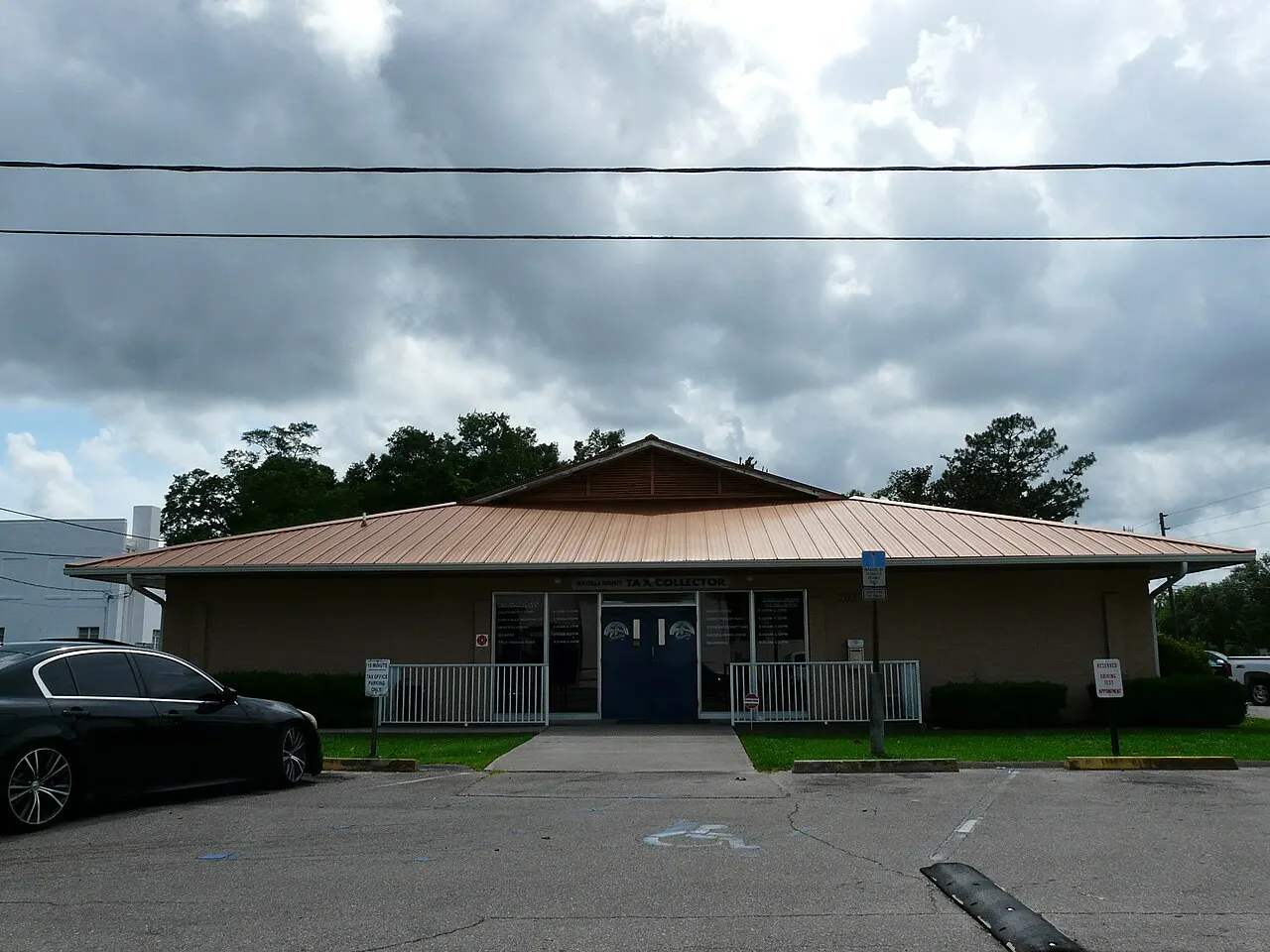
Every permit visit has 2 piles. Pile 1 is identity, a Social Security number the agency can verify, and proof you live in that state. Pile 2 changes on your 18th birthday, and Florida and Texas keep a course requirement after it. New York uses its own 6-point proof system and separates permit paperwork from the course needed before a road test.
Which documents does every applicant bring, and which ones depend on age?
Florida section 322.08 requires identity from a set list, Social Security proof (a military ID can count), and proof of a residential address. For a minor, section 322.09 adds a certified U.S. birth certificate, a valid U.S. passport, a green card, a federal employment authorization card, or proof of nonimmigrant classification.
Texas lists citizenship or lawful presence, residency, identity, and a Social Security number on the apply page and on DL-67 (October 2025). The number is checked electronically. If it does not verify, DL-67 says the learner license cannot be issued.
California's learner's permits page tells both ages to bring a California ID or proof of identity and residency, then pay, pass vision, and test. DL 1144 (November 2025) requires a Social Security number unless you are legally present but ineligible for one. Fast Facts 19 says it is verified with Social Security while you are in the office.
| State | Under 18 | 18 and over |
|---|---|---|
| Florida | Learner license from age 15. The 6-hour DETS driver education course, or a school course that substitutes for it. Parent or guardian consent signed before a notary or an examiner, unless you are married. School compliance under s. 322.091. | No parent signature and no school rule. A traffic law and substance abuse course of at least 4 hours, unless you were licensed elsewhere or finished a Department of Education driver education course. Original Class E fee is $48, learner license included. |
| Texas | Ages 15 through 17. Classroom driver education first: 6 hours on the concurrent method or 24 on the block method. Diploma, GED, or a VOE (90 percent attendance on the teen page, at least 80 days in the last fall or spring semester in s. 521.204(a)(3)). Learner fee $16, expiring on your 18th birthday. | No school form. Ages 18 through 24, first Texas license: a 6-hour adult course, waived if you surrender a valid unexpired out-of-state license. No driver education at 25 and over. Original Class C at 18 to 84 is $33 for 8 years. |
| California | At least 15 and a half. Driver education certificate, with an exception from 17 and a half. Every parent or guardian with custody signs. REAL ID needs 2 residency documents. A standard card needs 1. | No driver education certificate and no parent signature for a Class C permit. Same identity, Social Security, and residency rules. Same $46 original fee. |
| New York | Permit from age 16. Applicants age 16 or 17 need parental consent, unless age 17 with an MV-285 driver education certificate. ID-44 uses a 6-point proof system; bring one New York residence proof for Standard, or two for REAL ID or Enhanced. First permit fee $76.75 to $102.50, by age and county. | No parental consent or supervised-hour log for an 18-plus Class D permit applicant. Complete MV-44, prove identity and New York residence under ID-44, and pass the vision and written tests. The 5-hour course is for the road test, not the permit test. First permit fee $64.25 to $90.00, by age and county. |
Florida statutes ss. 322.08, 322.09, 322.091, 322.095 and 322.1615, the FLHSMV DETS page and fee schedule. Texas teen page, apply page, fee table, DL-67 (October 2025) and Transportation Code s. 521.204. California learner's permits page, Fast Facts 19 and DL 1144. New York State Department of Motor Vehicles ID-44 (2/26), MV-44 permit application, fee chart and New York State Driver's Manual (MV-21), Chapter 1. Checked September 25, 2026.
| Florida | 15 for a Class E learner license; 16 for a full Class E licenseFlorida Statutes s. 322.1615(1) and s. 322.05(1), checked September 9, 2026 |
| Texas | 15, after the first 6 classroom hours of driver education (concurrent method) or all 24 (block method)Transportation Code s. 521.222(a); TxDPS, Texas Learners License as a Teen and Choosing a Driver Education Course, checked September 25, 2026 |
| California | 15 years and 6 months with driver education, or over 17 years and 6 months without it (no drive test until 18)Vehicle Code s. 12509(a); California DMV, Learner's Permits, checked September 25, 2026 |
| New York | 16, with a parent or guardian consenting at 16 and 17 unless a 17-year-old holds a driver education certificate (MV-285)Vehicle and Traffic Law s. 502(2); New York State DMV, Learner Permit page and form ID-44 (2/26), checked September 25, 2026The permit at 16 leads to a junior license (Class DJ). A full Class D license comes at 18, or at 17 with a driver education course approved by the State Education Department and the supervised hours certified. |
Rows come from the state registry. California's learner's permits page adds a route the short wording leaves out: from 17 and a half you can get the permit without driver education, but you cannot take the drive test until 18.
What should you bring for a New York permit?
New York starts with form MV-44 and a 6-point identity check, not a short fixed document list. ID-44 scores documents in three sections: one Social Security item, at least one citizenship, lawful-status or date-of-birth proof, and New York residence and extra name proofs, which together must reach 6 points. Bring one residence proof for a Standard permit, or two for REAL ID or Enhanced. Under 21 and short of 6 points, a parent or guardian can fill in form MV-45 at the office in front of a DMV representative, which is worth 4 points and also counts as a residence proof. At 16 or 17, a parent or guardian signs the consent box on MV-44; a 17-year-old with MV-285 is the exception. The written test is 20 questions: at least 14 correct and at least 2 of the 4 road-sign questions. The total at the counter depends on your age and where you live, from $64.25 to $102.50 for a first Class D or DJ permit on DMV's fee chart, and the $10 application part of it covers two knowledge-test attempts. The 5-hour pre-licensing course cannot be started until you hold the permit, so its certificate belongs to the road test, not the permit counter.
- MV-44 application
Application for Permit, Driver License or Non-Driver ID Card, completed for your permit visit.
- Identity and status proofs under ID-44
Use the 6-point document chart, including one Social Security item and at least one date-of-birth, citizenship or lawful-status item. Originals or copies certified by the issuing agency.
- New York residence proof
One document for a Standard permit, or two for a REAL ID or Enhanced permit. Your current street address must be pre-printed on it; a P.O. box is refused.
- Under 18: parental consent
A parent or guardian signs the consent box on MV-44. Required at 16 or 17, except a 17-year-old with a Driver Education Certificate of Completion (MV-285).
- Glasses or contacts, if you need them
Every permit applicant takes a vision test: 20/40 in at least one eye, with or without corrective lenses.
- Application fee and test preparation
The total depends on your age and where you live. Its $10 application part covers two knowledge-test attempts. The test has 20 questions; pass with 14 correct overall and at least 2 of 4 road-sign questions.
New York State Department of Motor Vehicles, ID-44 (2/26), MV-44, Prepare for and Take Your Permit Test, the fee chart, and New York State Driver's Manual (MV-21), Chapter 1.
New York keeps permit proofs separate from pre-licensing. At the permit visit you file MV-44, show the ID-44 documents, read the eye chart, and pay the fee. The written test happens there too, unless you are under 18 and already passed DMV's online permit test. The road test needs a different set of papers: the 5-hour course certificate (MV-278) or the driver education certificate (MV-285), plus the MV-262 supervised driving certification if you are under 18. At 17, the MV-285 also moves a junior license up to a full Class D: hand it to the road test examiner, or take it to a DMV office later.
What does Florida want under 18, and what is still required at 18?
Section 322.1615(1) issues a learner license from age 15 after the written exam, vision and hearing, and a department-approved driver education course that meets Department of Education course 1900300. FLHSMV calls it Driver Education Traffic Safety (DETS), sets it at 6 hours, and since August 1, 2025 requires it of applicants under 18 who have never held a license anywhere. School courses 1900300 and 1900310, and the school-board DELAP classes, can stand in for it.
At 18 or older, section 322.095(1) requires the traffic law and substance abuse education course (TLSAE) instead, unless you were licensed in another jurisdiction or finished a Department of Education driver education course. The provider collects a $3 assessment on top of its fee and reports completion electronically. The statute says a paper certificate is not acceptable for any licensing purpose. Section 322.1615 names no age for its driver education rule, so an adult who wants a learner license should ask the office which course it will take.
Under 18, section 322.09 requires a parent or guardian to sign and verify the application before someone authorized to administer oaths. The consent form, HSMV 71142, puts that as notarized or witnessed by an examiner, and one parent is enough. FLHSMV's teen page says a step-parent may not sign unless they have adopted you. Marriage removes the requirement. Under section 322.091, FLHSMV may not issue a learner license to a minor it has been told is out of compliance with school attendance.
Bring originals. Florida accepts a birth certificate from a county health department or a Bureau of Vital Statistics, refuses a hospital certificate, and does not take an out-of-state license as primary identification. Address proof is 2 different documents showing your Florida address. Your current license does not count, and bills and statements must be dated within the last 60 days. If none are in your name, the person you live with fills in a Certification of Address, HSMV 71120.
At 18 the parent signature and the school rule stop, and the course question moves to TLSAE. New residents have 30 days to get a Florida license. Section 322.12(1) lets FLHSMV waive the knowledge, endorsement, and skills tests if you surrender a valid license from another state, a Canadian province, or the U.S. Armed Forces for an equal or lower class, and the What to Bring FAQ adds that the vision test still applies. Missing a document? The Visiting Florida FAQ describes a 60-day temporary permit if the old license is valid or expired no more than 60 days.
Elena, 15, at a Florida tax collector office on October 2, 2026
- 1Elena Morales turned 15 on March 12, 2026. She finished a 6-hour DETS course on August 18, 2026 and passed the Class E Knowledge Exam online with an approved provider on September 22, 2026, scoring 42 of 50 with her mother monitoring. On October 2, 2026 she goes to a county tax collector office that issues driver licenses.
- 2Identity and Social Security are ready: a certified birth certificate from the state vital statistics office and her Social Security card. Every bill at home is in her mother's name, so she brings her mother's cell phone bill dated August 28, 2026 and bank statement dated September 15, 2026. Both are inside 60 days.
- 3Papers in a parent's name go through the Certification of Address (HSMV 71120). The form asks the certifier for 1 household document, such as a lease, deed, mortgage statement, or property tax bill, plus 1 supporting document. A phone bill and a bank statement are 2 supporting documents and no household document.
- 4Her mother signed the consent form (HSMV 71142) and the Parent Proctoring Form at the kitchen table and stayed home. Both forms need a notary or an examiner as witness, and HSMV 71120 needs a notary or the issuing staff.
- 5Had everything been in order, she would pay the $48 Class E fee plus the $6.25 tax collector service fee, $54.25, pass vision and hearing, and leave with the learner license.
Outcome. She leaves without the license. Next time her mother comes too, brings the lease, and signs HSMV 71120, HSMV 71142, and the Parent Proctoring Form in front of the examiner, with a current bill or statement in her name as the supporting document. The course and the online pass were never the problem.
- Original identity document
For a U.S. citizen, such as a certified birth certificate or a valid U.S. passport. Not a hospital certificate, and not an out-of-state license.
- Social Security proof
The card in your current name, or a W-2 or 1099 that is not handwritten, a pay stub, or an SSA-1099, showing your full name and number.
- 2 Florida address documents
Different documents. Your current license does not count. Dated items must be within 60 days. In a parent's name, add HSMV 71120.
- Name-change papers, if any name ever changed
Original or certified marriage certificates, divorce decrees, or court orders linking your birth name to your current name.
- Under 18: parental consent, HSMV 71142
Signed by a parent or guardian in front of a notary or an examiner. Not required if you are married.
- Under 18: DETS or a school substitute
The 6-hour DETS course, a school 1900300 or 1900310 course, or DELAP. You must also meet the school attendance rule in s. 322.091.
- 18 or over, never licensed: TLSAE
At least 4 hours. Electronic completion only; a paper certificate is not accepted.
- Fee
$48 original Class E, learner license included, plus $6.25 once per visit at a tax collector. Veterans who show the documents in s. 322.135 are not charged the $6.25.
Passed online? Bring the Parent Proctoring Form, notarized or signed in front of an examiner. Section 322.56(8) also has the monitoring adult give a driver license number before the online exam starts.
What does Texas ask a teen to carry, and what changes at 18?
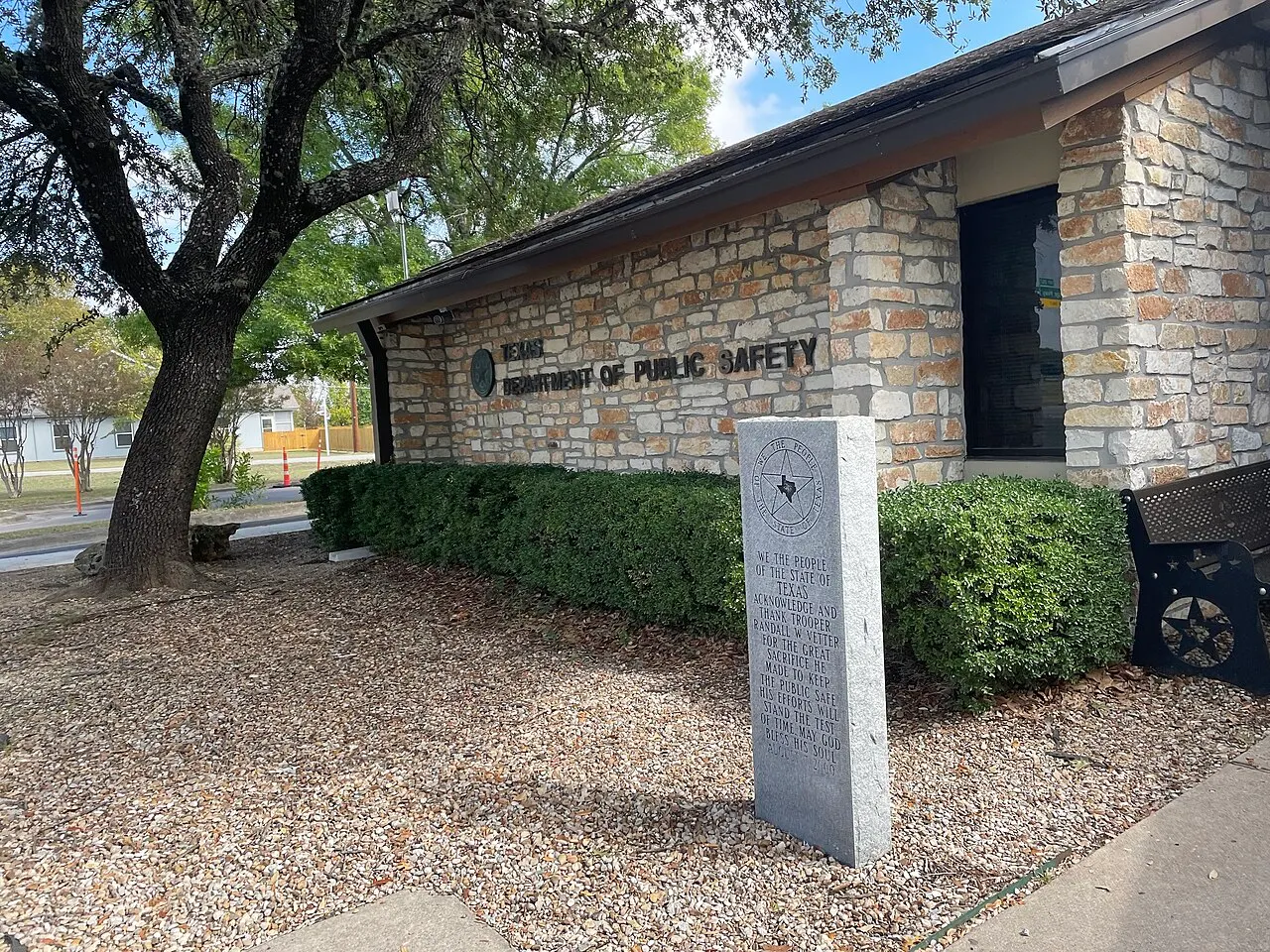
The learner license is for ages 15 through 17, expires on the 18th birthday, and must be held 6 months unless you turn 18. A licensed adult 21 or older sits in front. Before you apply, finish the first 6 classroom hours on the concurrent method or all 24 on the block method, shown on DE-964, DEE-964, or DE-964E.
Bring a diploma, a GED, or a VOE. The teen page asks for at least 90 percent attendance in the past semester, while Transportation Code s. 521.204(a)(3), which s. 521.222(a)(3) applies to the learner license, asks for at least 80 days of attendance in the fall or spring semester before you apply. The teen page makes the VOE valid 30 days from issuance, or 90 days if issued in June, July, or August. The teen page allows a notarized application signed by a parent. DL-67 says a parent or legal guardian must be at the visit. Bring the parent.
Identity trips up teens without a passport. On DL-67 a birth certificate proves citizenship but counts only as a secondary identity document. Without a primary photo ID, pair it with a second secondary document, such as a court order changing your name, or with 2 supporting documents, such as your Social Security card and school records. Photocopies are not accepted.
Bring 2 printed residency documents with your name and Texas address. Surrendering a valid unexpired out-of-state license waives the 30-day stay, not the 2 documents. The residency page allows bills up to 180 days old and a water bill plus a gas bill from one municipal utility. DL-67 allows 90 days, rejects that pair as one source, and leaves cell phone bills off its list. Follow DL-67 for a learner visit.
You leave with a temporary permit, so check it before you walk out. The card usually arrives by mail in 2 to 3 weeks. Offices take credit cards, cash, checks, money orders, Apple Pay, and Google Pay.
Wyatt, 16, with a September VOE and 2 bills from 1 utility
- 1Wyatt Brandt is 16 and has his DE-964. His DPS appointment is October 8, 2026. The school issued his VOE on September 4, 2026, signed, showing 94 percent attendance for the past semester.
- 2A VOE is good for 30 days, or 90 days if issued in June, July, or August. A September 4 form is on the 30-day clock. On October 8 it is 34 days old.
- 3For residency he brings an August water bill and an August gas bill from the same city utility, both in his mother's name. Neither shows his name, so the residency affidavit route applies: someone living at the same address, with identification and 2 residency documents. DL-67 also rejects 2 documents from one source, while the residency page would take that pair.
- 4His mother signed the application before a notary on October 1, 2026. The teen page allows that. DL-67 still wants a parent at the visit. If accepted, the fee would be $16, the $1 administrative fee included, and the license would expire on his 18th birthday.
Outcome. He needs a VOE issued within 30 days of October 8, his mother at the visit, a residency affidavit from her, and a second residency document from a different source, such as her bank statement or the lease. The 94 percent attendance was never the problem.
- Application, and an appointment
The application can be finished online or at the office.
- Citizenship or lawful presence, plus identity
One primary photo ID, or the secondary and supporting combinations on DL-67. No plain photocopies.
- Social Security number
Verified electronically. If it fails, the learner license is not issued.
- 2 Texas residency documents
Your name and address on both. For a learner visit, use 2 sources and keep bills inside 90 days. None in your name: a residency affidavit from someone at your address.
- Under 18: driver education certificate and school proof
DE-964, DEE-964, or DE-964E, plus a diploma, GED, or a VOE that is still inside its 30-day or summer 90-day life.
- Under 18: a parent at the visit
The teen page also allows a notarized application or proof of emancipation. DL-67 wants the parent present. Bring the parent.
- Ages 18 to 24, first Texas license: 6-hour adult course
The apply page waives it when you surrender a valid unexpired out-of-state license, and the Moving to Texas guide also waives it for a license expired no more than 2 years. Nothing extra at 25 and over.
- Insurance, and registration only for new residents surrendering a license
Or a statement that you do not own a vehicle. An Impact Texas Drivers certificate only if this visit includes the driving test, dated within 90 days.
What does California ask, and why does 17 and a half matter?
Under 18 you must be at least 15 and a half, hold driver education proof, and have every custodial parent sign. The learner's permits page sets 80 percent to pass and gives no office test after 4:30 p.m. Fast Facts 19 allows 8 misses and a 7-day wait after a fail, not counting the failure day, but it never prints the question total.
From 17 and a half you may get the permit without driver education, but no drive test until 18. Fast Facts 19 lets you license earlier only by finishing driver education and driver training. A course taken in another state is proved on form DL 33, and an out-of-state permit does not count. You may not drive alone on the permit. The 6-month hold and the 50 hours come before the drive test, and the fee is good for 12 months.
At 18 the driver education certificate and the parent signature drop off. The handbook allows 3 knowledge attempts, then a new application, and bans the handbook and a phone in the test. That test is taken at a field office: DMV closed its at-home knowledge test to new driver's license applicants on January 3, 2025. eLearning, the no-fail course, is for renewals only.
Amina, 16, with one parent's signature and one bill
- 1Amina Shah was born on January 25, 2010, so on September 25, 2026 she is 16 years and 8 months old. Her parents share custody. Her father signed her application on September 20, 2026. Her mother has not.
- 2She finished driver education on September 2, 2026 and has the certificate. She wants a REAL ID permit and brings a certified birth certificate, not an abstract, plus 1 cell phone bill dated September 1, 2026 in her father's name.
- 3Her birth certificate names her father, so it can trace his bill to her. REAL ID still needs a second residency document, printed, at the same mailing address. DL 1144 would accept the 1 traced bill for a standard card. Fast Facts 19 requires both parents to sign when both have custody. The $46 fee is nonrefundable and good for 12 months.
Outcome. The permit cannot be issued until her mother signs. The certificate was ready. A REAL ID permit also needs a second residency document, such as a bank statement to her father at the same address. A standard card would have needed only the 1 traced bill, plus that second signature.
- Application, signed by every custodial parent if you are under 18
Both sign when custody is joint. Emancipated minors use a DL 11 and an SR 22 or SR 1P in place of parent signatures, and they still need driver education and training.
- Identity document
REAL ID: full name and date of birth. Abbreviated and abstract birth certificates are refused. DL 1144 lists the standard-card options.
- Social Security number, if you are eligible
Verified in the office. The exemption is only for people legally present and ineligible for a number.
- Residency: 2 documents for REAL ID, 1 for a standard card
First and last name, same mailing address as the application; REAL ID wants 2 different printed documents. A parent's bill works with a birth certificate. DL 1144 accepts photocopies. Not needed if you already hold a California ID card.
- Under 17 and a half: driver education certificate
Completion, or enrollment in an integrated driver education and training program. From 17 and a half you can get the permit without it and still cannot drive-test until 18.
- Fee, and nothing in your hands at the test
$46 original Class C, nonrefundable, good 12 months. No handbook and no phone in the test. Start an office test before 4:30 p.m.
The 50 hours and the signatures that certify them belong to the drive test, at least 6 months later.
Do you want a REAL ID card or a standard card?
Florida wants original identity, Social Security, and address documents for a first license, a renewal of a card with no star, or a name change. Since May 7, 2025, TSA takes only starred cards at airports, and a U.S. passport also works. Texas asks you to run its REAL ID Document Check tool before the appointment; the apply page keeps the same 4 categories: citizenship or lawful presence, residency, identity, and a Social Security number.
A California REAL ID needs 2 different printed residency documents with your first and last name, at the application's mailing address. A standard card, on DL 1144, needs 1, and photocopies are allowed. A minor may use a parent's bill plus a birth certificate. Foster placements can trace with SOC 154, SOC 154A, or SOC 156.
What if your name, or the name on the bills, does not match?
Florida wants every link from the birth name to the name you use now, as originals or certified copies. If the last document shows both names, it alone is enough. Texas, on DL-67, wants identity documents to share a name and date of birth, or a marriage certificate, divorce decree, or court order explaining why they differ. A marriage certificate or divorce decree not in English needs a certified translation.
Update the name with Social Security before a California visit. If the two records do not match, the application is denied. Document each change with adoption papers, a name change document showing both names, a marriage certificate, or a dissolution record.
What gets people turned away at the counter?
A hospital birth certificate is not a Florida identity document, and a photocopy is not one either unless the issuing office certified it. An abstract birth certificate is not a California REAL ID identity document. A paper Florida TLSAE certificate is not acceptable for licensing. A plain photocopy is not a Texas secondary identity document. An out-of-state license card is not Florida primary identification.
- Florida: the parent signed the consent form at home, with no notary or examiner. HSMV 71142 needs one.
- Florida: the bills are older than 60 days, or they are in a parent's name and nobody completed HSMV 71120.
- Florida: you passed online and then failed the no-notice retest. The retest itself has no fee. The next knowledge attempt is $10.
- Texas: the VOE is past 30 days and was not issued in June, July, or August, or the Social Security number does not verify.
- California: only one of two custodial parents signed. Fast Facts 19 requires both.
- New York: the ID-44 proofs total under 6 points, a residence proof shows a P.O. box instead of a pre-printed street address, or an applicant under 18 has no parental consent and is not a 17-year-old with MV-285.
What will the counter charge, and what if you fail the test?
Each later Florida knowledge test is $10 and each later skills test is $20. Section 322.12 sets no wait and no cap, but Florida Administrative Code rule 15A-1.015(3) suspends the driving privilege for 1 year if you have not passed the skills test within 5 attempts in 1 year. The Texas fee table has no separate knowledge-retest price. California allows 3 knowledge attempts, then a new application, and makes a minor wait 7 days after a failed knowledge test and 14 days after a failed drive test, not counting the failure day. Its fee table lists $9 for a drive retest and no knowledge retest; the driver's licenses page says $7.
For New York, the $10 application fee covers up to two knowledge-test attempts under Vehicle and Traffic Law section 503(2)(a), and a third attempt needs a new application fee. DMV does not publish a waiting period between failed in-office written attempts. Up to two road tests carry no additional fee; after a failed road test you wait at least 14 days, and section 503(2)(b) charges $10 for up to two more.
I already have a REAL ID from another state. Do I still bring documents?
Yes. Florida does not take an out-of-state license as primary identification, and section 322.08 still wants an identity document, Social Security proof, and proof of a residential address, which FLHSMV sets at 2 Florida address documents. Texas still requires citizenship or lawful presence, residency, identity, and a Social Security number, and DL-67 lists another state's license only as a supporting identity document. California wants your Social Security number, an identity document, and residency documents if you have never held a California card. A star on another state's card does not replace that stack.
Every bill is in my parent's name. Can I prove residency?
The rules differ. California's DL 1144 and REAL ID checklist let a minor use a parent's bill with a birth certificate that shows the relationship; REAL ID still needs 2 documents. Florida uses the Certification of Address (HSMV 71120): the parent supplies 1 household document, such as a lease or deed, and 1 supporting document, and signs before a notary or issuing staff. Texas takes a residency affidavit from someone at the same address, with identification and 2 residency documents. New York's ID-44 asks for one residence proof for a Standard permit and two for REAL ID or Enhanced, and it accepts a parent's ID as a residence proof worth 0 points if it shows your current New York address and either carries your last name or comes with proof of the relationship. Under 21, a parent or guardian can also complete MV-45 at the office, which counts as a residence proof and 4 points.
Do I bring the supervised driving log to the permit test?
No. Florida's 50 hours, at least 10 at night, are certified under section 322.05 before the license at 16 or 17, not before the learner exam. California's 50 hours are signed on the permit before the drive test, after at least 6 months. The Texas learner checklist on DL-67 does not ask for a practice log. Those hours belong to the next license.
My name changed when a parent remarried. What links the names?
The document that changed your name, usually a court order or an adoption decree, since a parent's marriage certificate does not show your name. Florida wants it as an original or certified copy, and every link if no single document shows both names. Texas lists a court order with your name and date of birth as a secondary identity document on DL-67. California accepts adoption documents or a name change document showing the name before and after, and wants Social Security updated first.
Can I take the knowledge test at home instead of at the office?
In Florida, if you are under 18. Florida's Class E page offers the online exam to applicants under 18 through approved providers, with a Parent Proctoring Form and the monitoring adult's driver license number. In California, no longer: DMV's December 2023 release describes online testing opened in 2022 and widened in September 2023, but a January 2025 notice closed it to new driver's license applicants from January 3, 2025, so a first permit test is taken at a field office. The Texas teen page names 2 routes: the test inside your driver education course, which DL-67 also accepts from a parent-taught course, or the test at the driver license office. It lists no separate online exam.
I have a license from another state. Do I still sit the test?
Florida may waive the knowledge and skills tests under section 322.12(1) if you surrender a valid out-of-state, Canadian, or military license for an equal or lower class, though the vision test still applies. Texas exempts applicants 18 or older with a valid out-of-state license, or one expired no more than 2 years, from both exams; under 18, a valid license or learner license from another state skips the knowledge exam but not the skills exam. California's driver's licenses page has holders of another state's license pass the knowledge test.
What if I fail? Do I pay again the same day?
Florida charges $10 for each later knowledge test and $20 for each later skills test, with no waiting period in section 322.12. The Texas fee table has no separate knowledge-retest price. California allows 3 knowledge attempts on one $46 application, then a new application, and makes a minor wait 7 days, not counting the failure day. The $46 is nonrefundable.
Does a paper course certificate count?
Not for Florida's TLSAE course. Section 322.095(10) says a paper certificate is not acceptable for any licensing purpose, and section 322.095(12) gives the provider 5 days to report completion electronically. For DETS, FLHSMV's teen page asks for proof of completion. Texas wants DE-964, DEE-964, or DE-964E. California wants the school's certificate, or form DL 33 for a course taken in another state.
What does New York require to pass the permit test?
New York requires at least 14 correct answers out of 20 and at least 2 correct answers among the 4 road-sign questions. The $10 application fee covers two knowledge-test attempts. The source is the New York State Driver's Manual (MV-21), Chapter 1, and Vehicle and Traffic Law section 503(2)(a).
Do I bring New York's 5-hour course certificate to the permit test?
No. New York wants the 5-hour pre-licensing course certificate (MV-278), or a driver education certificate (MV-285), at the road test, and you can start the 5-hour course only once you hold a learner permit. The permit visit requires MV-44, identity and residence proofs under ID-44, a vision test, and the written test. A 17-year-old with MV-285 has an exception to parental consent and may apply for a full Class D license.
What is the rule in Florida, Texas, California or New York?
Each state’s answer on its own page, with the agency source and the date it was checked.
- What to bring for the Florida permit test if you are under 18
- What to bring for the Florida permit test if you are 18 or over
- What to bring for the Texas learner license test if you are under 18
- What to bring for the Texas license test if you are 18 or over
- What to bring for the California permit test if you are under 18
- What to bring for the California permit test if you are 18 or over
- What to bring for the New York permit test if you are under 18
- What to bring for the New York permit test if you are 18 or over
Sources
- Florida Statutes s. 322.05 (age, 12-month hold, 50 hours)
- Florida Statutes s. 322.08 (identity, Social Security, address, first-license course)
- Florida Statutes s. 322.09 (minor signature before a person authorized to administer oaths)
- Florida Statutes s. 322.091 (minor school attendance)
- Florida Statutes s. 322.095 (traffic law and substance abuse course, 18 and over)
- Florida Statutes s. 322.12 (exams, out-of-state waiver, retest fees)
- Florida Administrative Code rule 15A-1.015 (skills test: no pass within 5 attempts in 1 year brings a 1-year suspension)
- Florida Statutes s. 322.135 (tax collector service fee of $6.25)
- Florida Statutes s. 322.1615 (learner license and driver education course)
- Florida Statutes s. 322.21 (original Class E fee of $48)
- Florida Statutes s. 322.56 (third-party and online learner exams)
- FLHSMV, What to Bring
- FLHSMV, What to Bring for a U.S. citizen
- FLHSMV, What to Bring frequently asked questions
- FLHSMV, Document Help
- FLHSMV form HSMV 71120, Certification of Address (rev. 12/24)
- FLHSMV form HSMV 71142, Parental Consent for a Driver Application of a Minor
- FLHSMV, Licensing Requirements for Teens
- FLHSMV, Class E Knowledge Exam and Driving Skills Test
- FLHSMV, Driver Education Traffic Safety (DETS)
- FLHSMV, Fees
- FLHSMV, Visiting Florida frequently asked questions
- TxDPS, Apply for a Texas driver license
- TxDPS, Texas learner license as a teen
- Texas Transportation Code chapter 521, ss. 521.204(a)(3) (80 days of school attendance) and 521.222(a)
- TxDPS, Driver license fees
- TxDPS, Texas residency requirement for driver licenses and ID cards
- TxDPS, Moving to Texas guide for driver licenses and IDs
- TxDPS form DL-67, teen learner documents (rev. October 2025)
- California DMV, Learner's Permits
- California DMV, Driver's Licenses
- California DMV, Licensing fees
- California DMV, REAL ID checklist
- California DMV form DL 1144, federal non-compliant document list (rev. November 2025)
- California DMV, Fast Facts 19, provisional licensing (rev. July 2019)
- California Driver's Handbook, the testing process
- California DMV news release, More Californians Fulfilling DMV Testing Requirement Online (December 28, 2023)
- California DMV, Online Learning page with the January 2025 notice ending online knowledge testing for new applicants from January 3, 2025 (archived January 24, 2025)
- California DMV, Online learning and tests (eLearning for renewals)
- New York State Department of Motor Vehicles, Prepare for and Take Your Permit Test
- New York State Department of Motor Vehicles, ID-44, How to Apply for a New York Learner Permit, Driver License, or Non-Driver ID Card (2/26)
- New York State Department of Motor Vehicles, New York State Driver's Manual (MV-21), Chapter 1: Driver Licenses
- New York State Department of Motor Vehicles, form MV-44 (4/26), Application for Permit, Driver License or Non-Driver ID Card
- New York State Department of Motor Vehicles, form MV-45 (2/26), Statement of Identity and/or Residence by Parent/Guardian
- New York State Department of Motor Vehicles, Schedule and Take a Road Test
- New York State Department of Motor Vehicles, Complete Pre-Licensing Requirements
- New York State Department of Motor Vehicles, Driver License and Learner Permit Fees and Refunds
- New York Vehicle and Traffic Law section 503
- California DMV, Update information on your driver license or ID card