What does the Speed Limit sign mean?
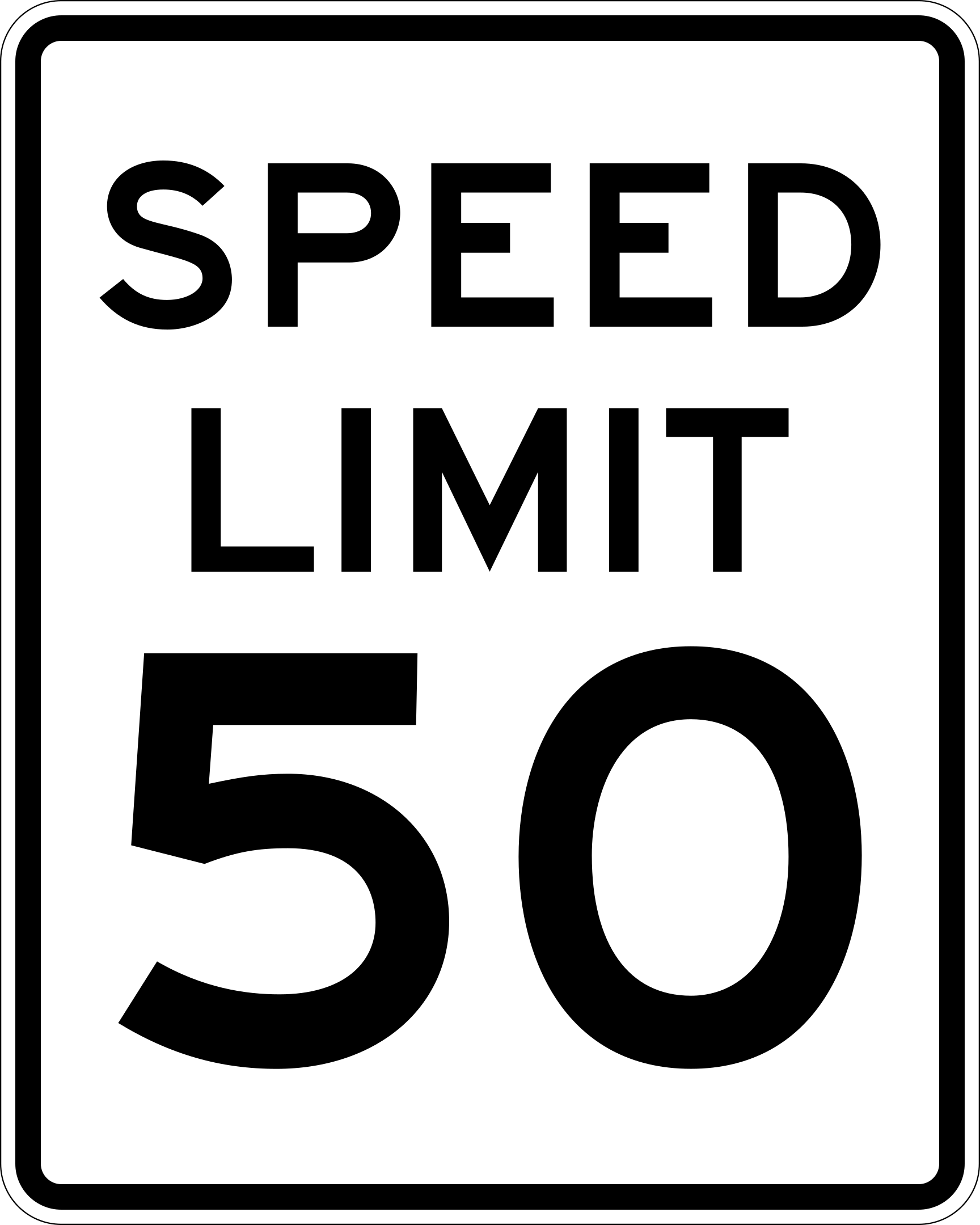
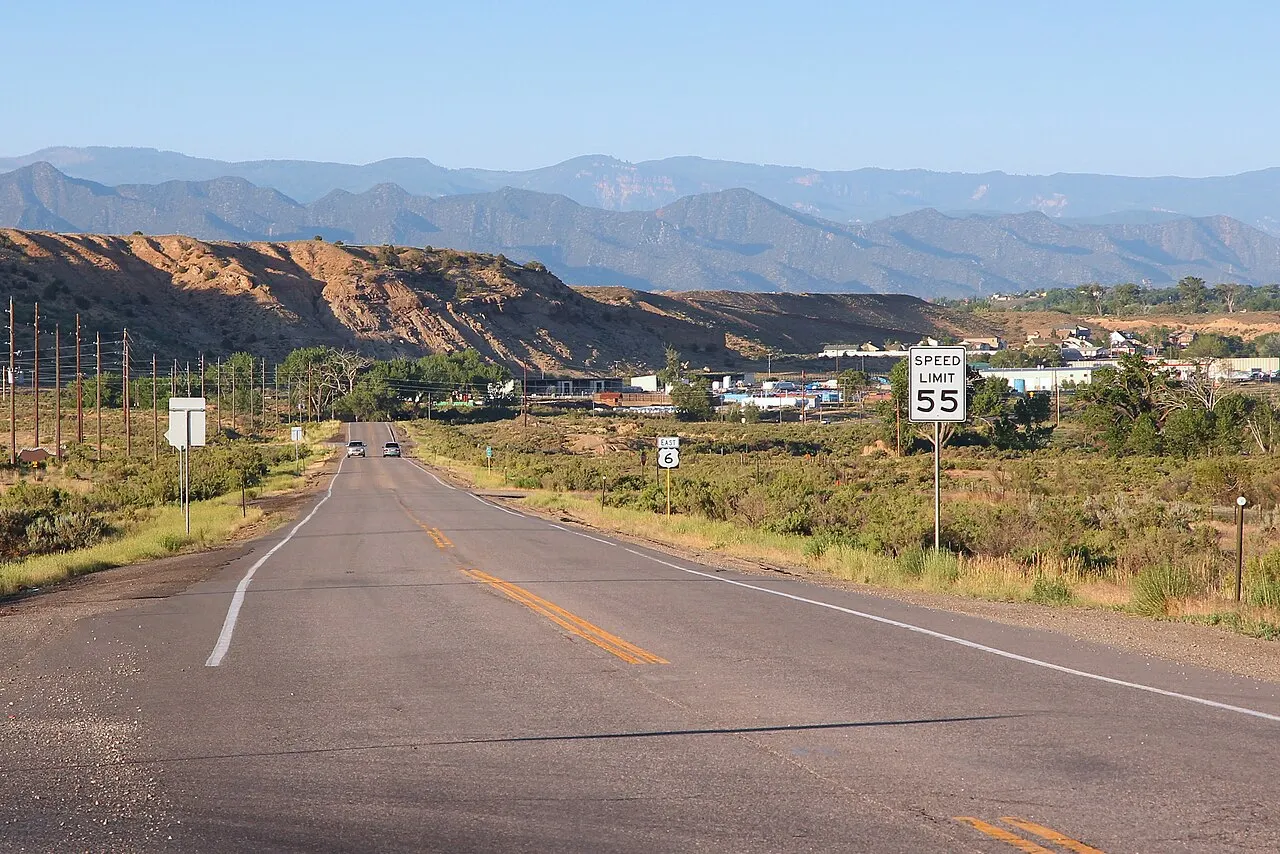
The Speed Limit sign (MUTCD R2-1) is a regulatory sign under the federal Manual on Uniform Traffic Control Devices, the national standard the states build from. A ceiling fixed by law, and it assumes the best case: dry pavement, clear sight lines, light traffic. Passing the number is an offense by itself, and anything short of the best case obliges you to drive under it.
Source: MUTCD 11th Edition, Chapter 2B, Table 2B-1, checked 2026-09-09.
What shape and color is the Speed Limit sign?
| MUTCD code | R2-1 |
|---|---|
| Group | Regulatory signs |
| Shape | Vertical rectangle |
| Color | White background, black legend and border |
What a vertical rectangle means. Usually regulatory: a law you must obey. Speed limits, turn restrictions and parking rules take this shape.
What white means. Regulatory. A black legend on a white background is a law, not advice.
Regulatory signs. Every sign in this group has a statute behind it, so disobeying one is a citable offense on its own. Permit tests tend to word them as a duty you owe rather than show you the face.
Where does the number on this sign come from?
Section 2B.21 of the MUTCD 11th Edition (December 2023), paragraph 13, says an R2-1 shall display the limit set by law, ordinance, or regulation, or adopted by the authorized agency after an engineering study. The digits have to be a multiple of 5 mph. A sign that reads 32, or 47, misses that standard.
A speed zone set by an agency rather than by statute needs an engineering study that considers the roadway context (paragraph 06). Paragraph 07 lists what that study should weigh, including at least 12 months of reported crashes, the pace, median, and 85th percentile speeds of free-flowing traffic, lane widths, shoulder condition, grade, alignment, sight distance, and driveways. Paragraph 10 says a freeway, expressway, or rural highway should be posted within 5 mph of the 85th percentile speed once those factors have been weighed and found not to argue otherwise. Paragraph 09 says the 85th percentile alone should not set the limit on urban and suburban arterials or on rural arterials that serve as main streets.
| Rule | Florida | California | New York |
|---|---|---|---|
| Ceiling if no special zone is posted | 30 mph in a business or residence district, 55 mph at all other locations | 65 mph, or 55 mph on a two-lane undivided highway unless posted higher after an engineering and traffic survey | 55 mph where no other limit is set; 25 mph in New York City unless another limit is posted |
| Higher figure the altering law names | 70 mph on limited access highways; 65 mph on a highway with at least four lanes divided by a median, outside an urban area of 5,000 or more people; 60 mph cap on other DOT roads | 70 mph on a state highway otherwise held to 65, declared by Caltrans with CHP approval, for vehicles not covered by section 22406 (section 22356) | Not more than 65 mph on a state roadway that meets DOT criteria |
| When the posted number starts to count | A DOT speed zone takes effect when signs giving notice are erected | The two-lane 55 mph cap stays until a higher limit is posted; a 70 mph limit comes with signs giving notice | On a state highway outside a city of more than one million, missing signs are presumptive evidence DOT has set nothing above 55 |
Florida Statutes sections 316.183 and 316.187 (2025), California Vehicle Code sections 22349 and 22356, New York Vehicle and Traffic Law sections 1180, 1180-a, and 1620, and New York State Driver's Manual (MV-21), Chapter 8.
In New York City, do not carry the statewide 55 mph default onto an unsigned street. The New York State Driver's Manual (MV-21), Chapter 8, gives the city a 25 mph limit unless a different limit is posted. Read each Speed Limit sign as the limit for its stretch of road, and check for a new number as you enter the city. Even below that number, slow further when conditions make your speed unsafe.
On a Florida interstate with at least four lanes the statute also sets a floor: 40 mph, or 50 mph where the posted limit is 70 (section 316.183(2)). The statute sets that floor directly. Section 2B.24 makes the white Minimum Speed Limit plaque an option, so a road without one still has the statutory minimum.
Where is the sign supposed to stand?
Paragraphs 14 and 15 put one R2-1 at the point of change and another, showing the next limit, at the downstream end of the zone. Paragraph 16 adds statutory-limit signs at entrances to the state and, where appropriate, at jurisdictional boundaries in urban areas. More signs should follow interchanges and major intersections (paragraph 17). The section prints no spacing in feet.
Paragraph 23 says not to use an R2-1 to give an advisory speed for a roadway condition such as a curve: that job belongs to an advisory plaque under a warning sign. Paragraph 26 says no more than three limits should appear on one sign or assembly. A variable speed limit sign keeps SPEED LIMIT in black on white, with the digits in white LEDs on black (paragraph 28).
What do you do when the number changes?
- 1Use the yellow diamond as notice only
Section 2C.40 says a Reduced Speed Limit Ahead sign should be used where the limit drops by more than 10 mph, or where engineering judgment calls for advance notice, and its number shall match the Speed Limit sign that follows. The white R2-1 is where the new number applies.
- 2Be legal at the sign
The R2-1 stands at the change. Speed you still have to lose comes off before you reach it.
- 3Hold it to the next R2-1
The zone ends at the downstream Speed Limit sign that paragraph 15 requires. It does not end at a driveway or a change in scenery.
- 4Go slower when conditions worsen
Florida section 316.183(1) and New York section 1180(a) still require a speed that is reasonable and prudent for the hazards then existing. Rain can make the posted number too fast.
What does one zone change look like on the road?
Andre, eastbound on a Florida state road, March 12, 2026
- 1The road runs outside any business or residence district, so section 316.183(2) sets 55 mph. Andre is holding 55.
- 2The Department of Transportation has declared 45 mph for the next stretch after an engineering and traffic investigation. Section 316.187(1) makes 45 effective once signs giving notice are erected.
- 3The drop is exactly 10 mph, so Section 2C.40 does not call for a Reduced Speed Limit Ahead sign unless engineering judgment says advance notice is needed. Here the first notice is the R2-1 itself, standing at the change point.
- 4He sees the 45 sign about 600 feet ahead and lifts off the accelerator, braking lightly so he is at 45 as he draws level with it.
- 5Paragraph 15 requires a Speed Limit sign at the downstream end showing the next limit. If that sign reads 55, 55 starts there.
Outcome. He has to be at or under 45 as he reaches the first sign. Passing it at 50 is over the limit that sign states.
Which permit-test answers miss the sign?
- Reading the yellow advisory plaque as if it replaced the white sign. Paragraph 23 splits those jobs on purpose.
- Treating 55 as every Florida road. The statutory maximum in a business or residence district is 30 mph, and a county or municipality may set 20 or 25 mph on local streets in a residence district after an investigation (section 316.183(2)).
- Calling every California road 65. Section 22349(b) holds a two-lane undivided highway at 55 until it is posted higher.
- Assuming an unsigned New York state highway runs at 65. Section 1620(a) makes the absence of signs presumptive evidence that DOT has not set a limit above the 55 mph statutory limit.
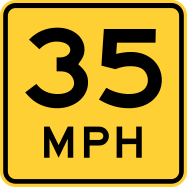
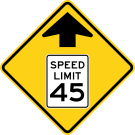
Yellow plaque: advisory. White plaque under the R2-1: minimum. Yellow diamond: the lower limit is ahead, not yet in force.
Section 2B.21 does not tell you to drive the number. Florida section 316.183(1) still forbids a speed greater than is reasonable and prudent, and it requires control enough to avoid a collision. The digits are a ceiling.
What is the Speed Limit sign often mistaken for?
The Advisory Speed plaque (W13-1P), which is yellow, applies to a curve or ramp, and is a recommendation rather than a limit. Also the Minimum Speed plaque (R2-4P), which sets a floor rather than a ceiling.
| |
|---|---|
| GroupRegulatory signs | GroupWarning signs |
| ShapeVertical rectangle | ShapeSquare plaque below a warning sign |
| ColorWhite background, black legend and border | ColorYellow background, black legend and border |
| What it meansA ceiling fixed by law, and it assumes the best case: dry pavement, clear sight lines, light traffic. | What it meansThe recommended safe speed for the curve or ramp the sign above it warns about, in good conditions. |
Which signs get mistaken for the Speed Limit sign?
- Reduced Speed Limit AheadW3-5
The Speed Limit sign (R2-1) itself. The reduced limit is not in force where W3-5 stands.
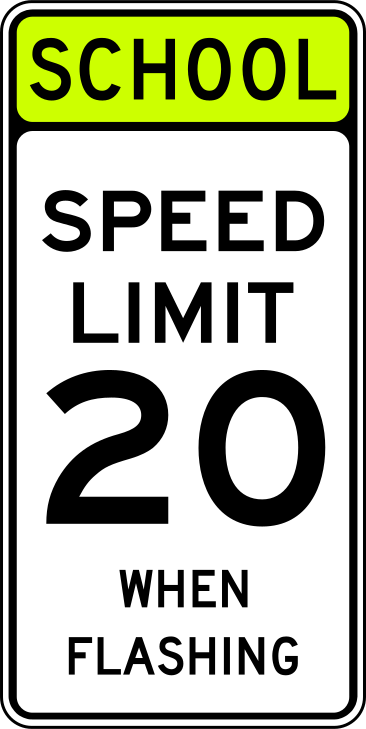 School Speed Limit When FlashingS5-1
An ordinary Speed Limit sign (R2-1). The lower limit is not in force at all times, and the plaque under it defines when it applies: WHEN FLASHING (S4-4P), WHEN CHILDREN ARE PRESENT (S4-2P) or a time of day (S4-1P).
What does the permit test ask about the Speed Limit sign?
This question is from the practice bank, with the answer marked.
A white rectangular sign most often carries:
- A.A warning
- B.A regulation you must obey(correct answer)
- C.A direction to a town
- D.A tourist attraction
Why: White rectangles are regulatory: speed limits, turn restrictions, lane use. Ignoring one is a traffic offense rather than poor judgment.
Source: Federal MUTCD, 11th Edition (FHWA)
Questions drivers ask about the Speed Limit sign
Does the speed limit start at the sign or after I pass it?
At the sign. Section 2B.21 puts the R2-1 at the point of change from one limit to the next, and it requires another Speed Limit sign at the downstream end showing the following limit. The stretch between those two signs is the zone. Braking after you have passed the lower sign means you entered the zone still fast.
Can a town post 33 mph or 28 mph if that is what the study found?
Not on an R2-1. The standard in Section 2B.21 is that the speed limits displayed shall be multiples of 5 mph. A study can support 30 or 35. It cannot be posted as 33 and still meet that standard.
If I am under the number, can I still be cited?
Yes, when the speed is still too fast for the hazards. Florida section 316.183(1) and New York section 1180(a) both require a speed that is reasonable and prudent under the conditions and hazards then existing. The sign carries no wet-weather discount. In Texas, section 545.353 lets the Transportation Commission declare a separate speed for wet or inclement weather, and a limit it declares takes effect when signs giving notice are erected.
How often is the same limit repeated along a road?
The MUTCD does not print a repeat spacing in feet for R2-1 signs. It says additional signs should be installed beyond interchanges and major intersections and at other locations where road users need a reminder, and it points agencies to the Traffic Control Devices Handbook for suggested spacing. There is no national "every mile" rule in Section 2B.21.
Sources
- MUTCD 11th Edition, Chapter 2B, Table 2B-1
- MUTCD 11th Edition, December 2023, Sections 2B.21 Speed Limit Sign (R2-1) and 2B.24 Minimum Speed Limit Plaque
- MUTCD 11th Edition, December 2023, Section 2C.40 Reduced Speed Limit Ahead signs
- Florida Statutes section 316.183 (2025), Unlawful speed
- Florida Statutes section 316.187 (2025), Establishment of state speed zones
- California Vehicle Code section 22349
- California Vehicle Code section 22356
- New York Vehicle and Traffic Law section 1180
- New York Vehicle and Traffic Law section 1180-a
- New York Vehicle and Traffic Law section 1620
- New York State Driver's Manual (MV-21), Chapter 8, Defensive Driving
- Texas Transportation Code section 545.353
What are the other regulatory signs?


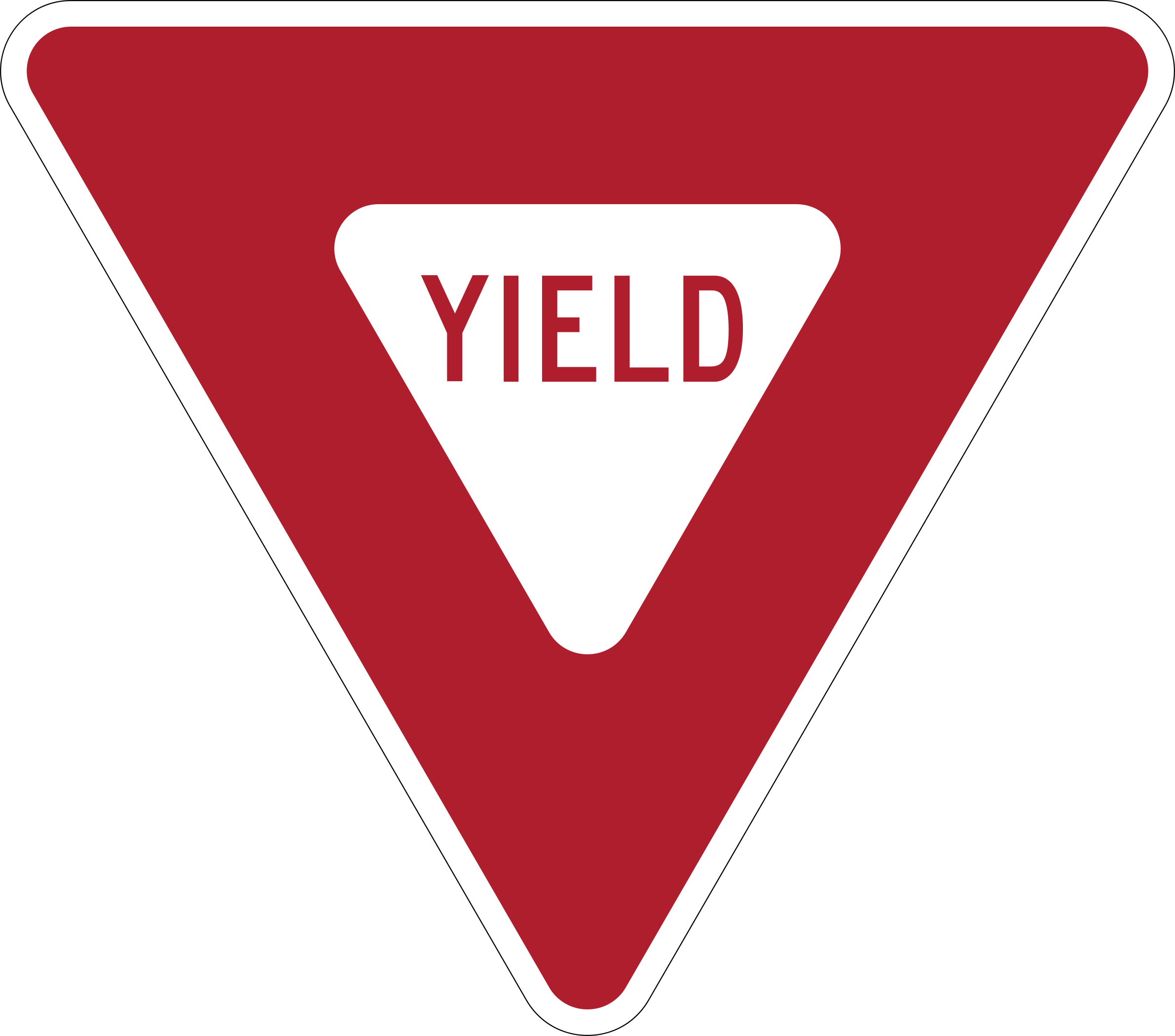
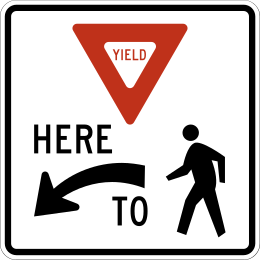
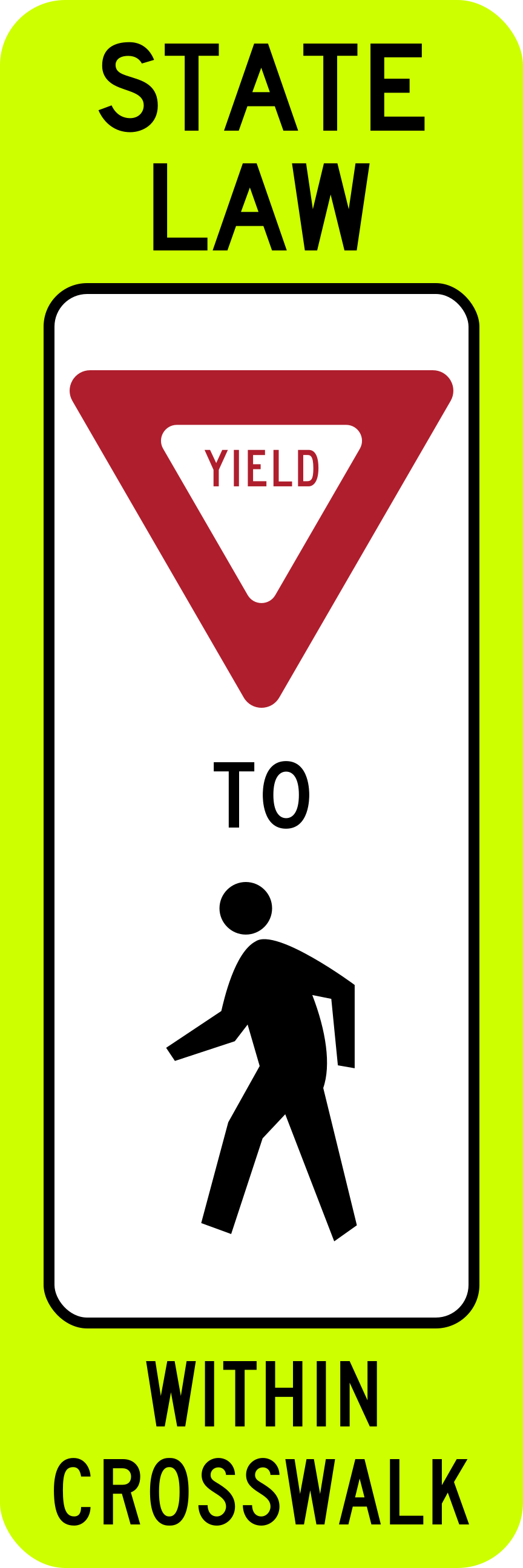
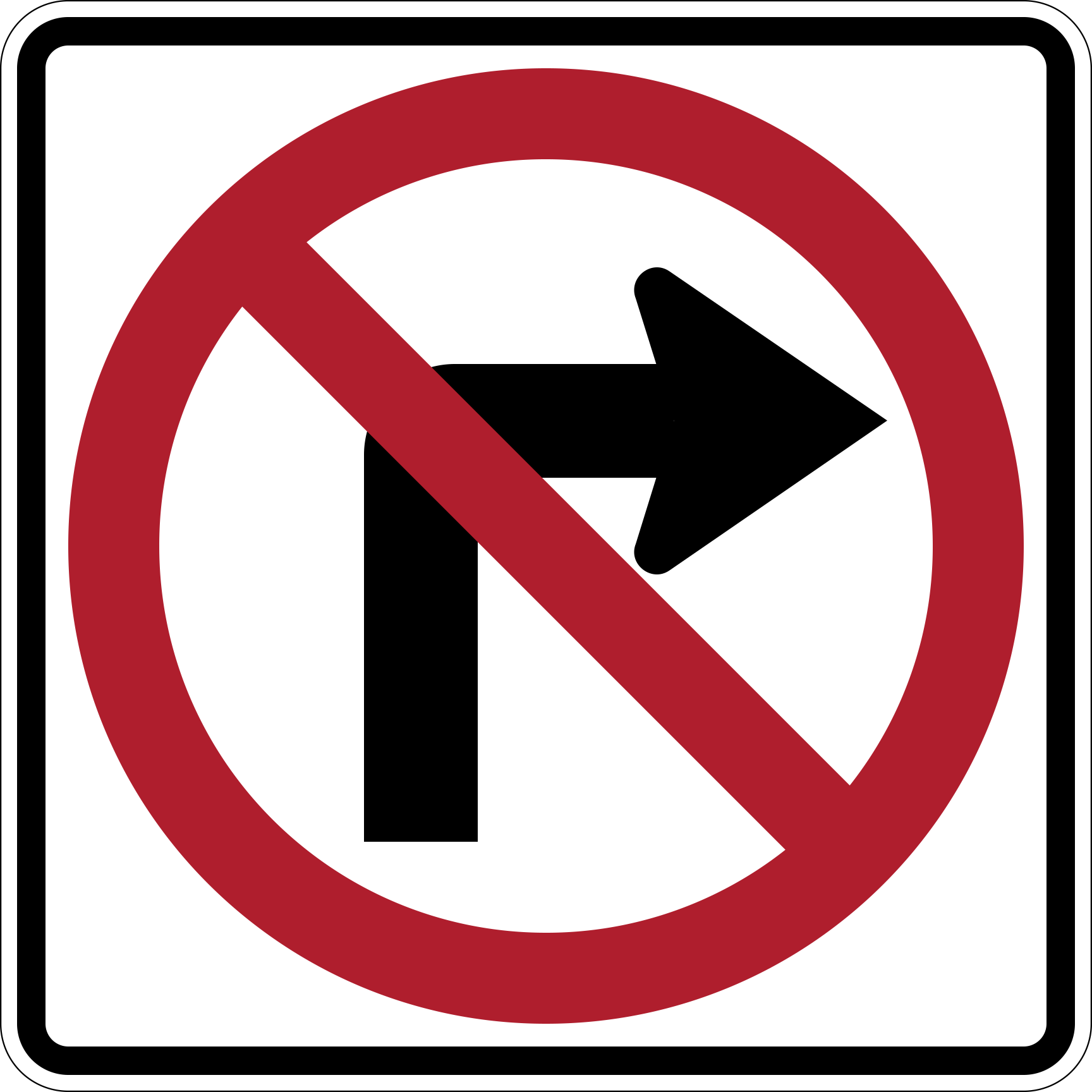
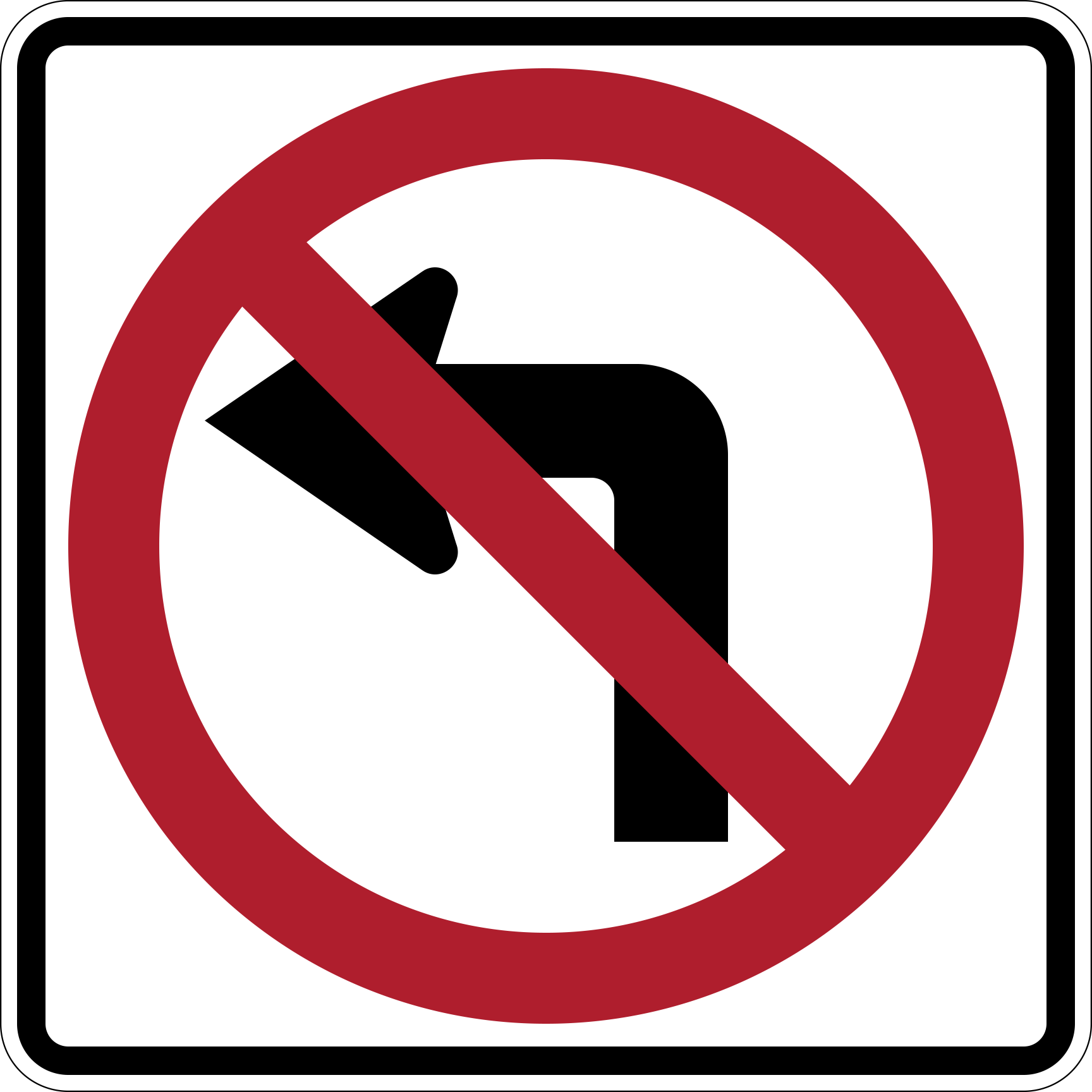
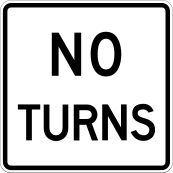
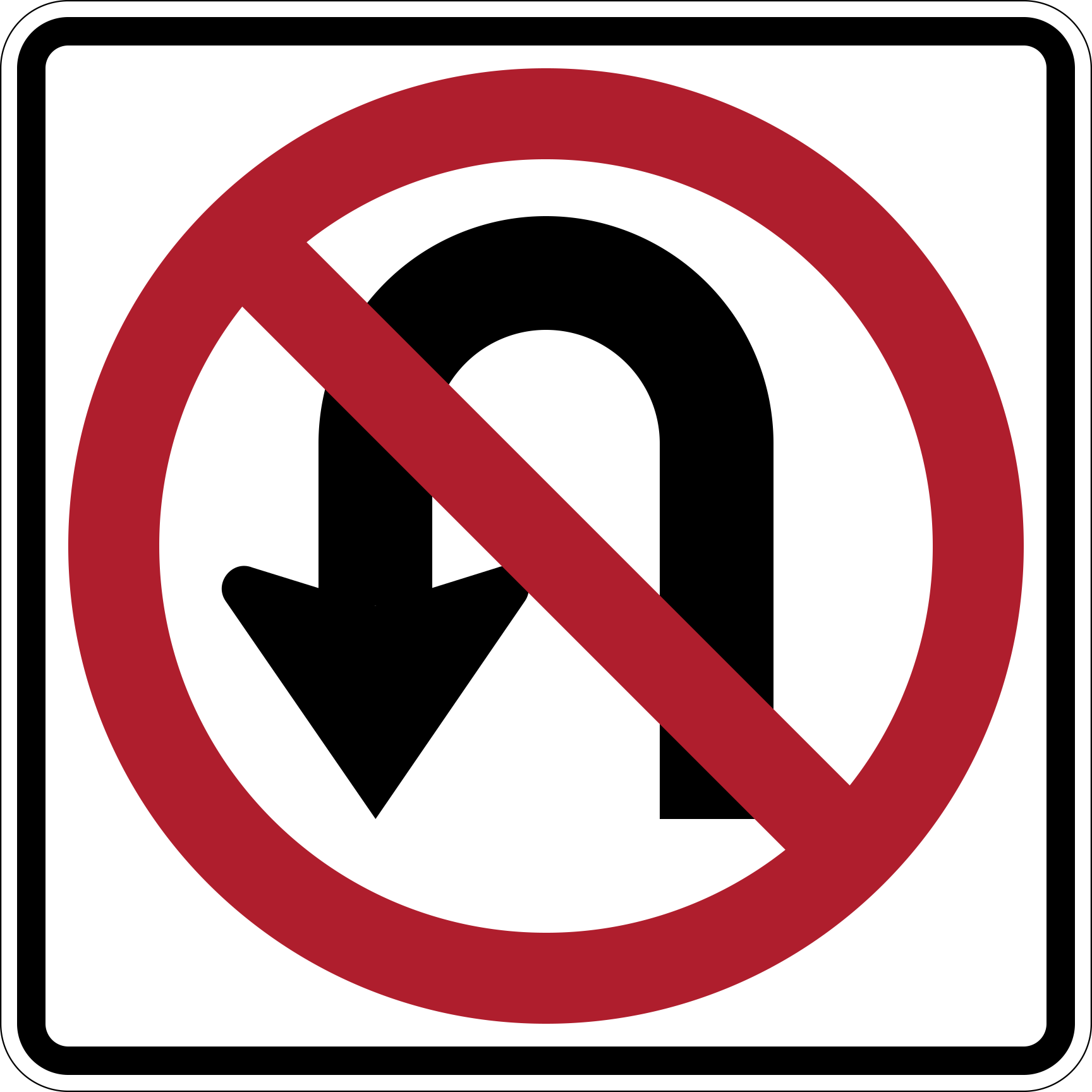
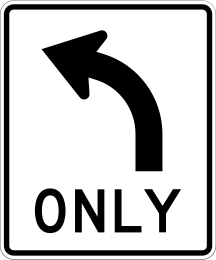
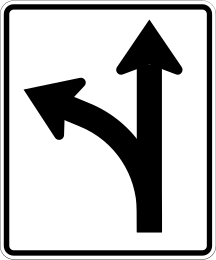
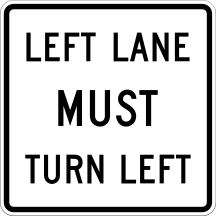
All 39 regulatory signs on one page, or every US road sign by shape and color.
Test yourself on this sign and the rest of the set with a road signs practice test for Florida, Texas, California or New York.
The artwork is the federal design itself, which the manual dedicates to the public domain in MUTCD 11th Edition, Part 1, Section 1D.06, checked 2026-09-09. The Interstate Shield, the 511 pictograph and the National Scenic Byway graphic are named exceptions and are not reproduced anywhere on this site.
Source: Manual on Uniform Traffic Control Devices, 11th Edition. Not affiliated with or endorsed by the Federal Highway Administration or any state agency.